Explore a category
Living things,
in proportion.
Compare representative dimensions and masses for animals, plants and other organisms while retaining species, life-stage and posture caveats.
Living organisms vary between individuals and life stages. The representative or defined specimen and the measured anatomical span must remain explicit.
- Entities
- 85
- Most common primary scale
- Length & distance
- Common measurements
- Defined shell length, Shoulder height, Defined straight carapace length, Mass, Defined nose-to-rump length, Defined adult wingspan
Within this category's most common primary scale, explore Poppy seed at 1 mm and Siphonophore colony at 40 m. These are navigation anchors, not universal category limits.
85 entities in this category, ordered by name.
No matches here. Try the main search to explore your own quantity.
85 measured entities
Browse living things
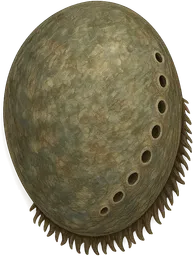 Abalone10 cmAn abalone is a marine mollusc with a flattened, ear-shaped shell, belonging to the genus Haliotis.
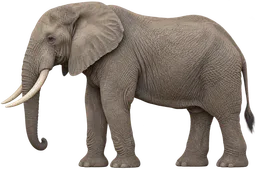 African elephant3.3 mAn African elephant is a large plant-eating mammal recognised by its trunk, tusks and broad ears.
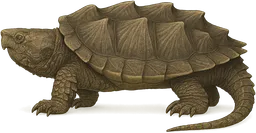 Alligator snapping turtle60 cmThe alligator snapping turtle is a freshwater turtle from the southeastern United States, distinguished by its spiked shell and powerful jaws.
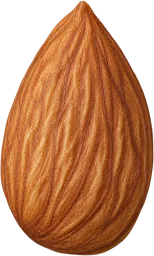 Almond1.2 gAn almond is the edible seed of the almond tree, commonly eaten as a nut or used in cooking.
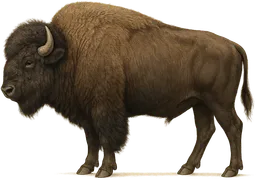 American bison2.8 mThe American bison is a large grazing mammal native to North America, recognised for its humped shoulders and thick fur.
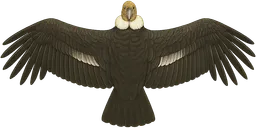 Andean condor3.1 mThe Andean condor is a large vulture found in South America, notable for its broad wings and soaring flight.
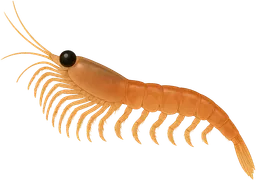 Antarctic krill6 cmAntarctic krill (Euphausia superba) are small, shrimp-like marine crustaceans that serve as a vital food source for many Antarctic animals.
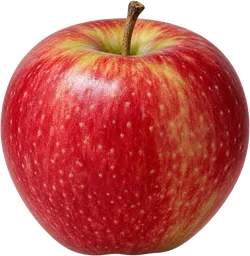 Apple180 gAn apple is the edible fruit of an apple tree, with flesh surrounding a central core of seeds.
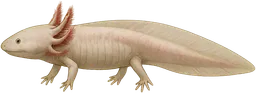 Axolotl25 cmAn axolotl is an aquatic salamander from Mexico that retains its larval features and external gills throughout its life.
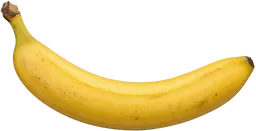 Banana120 gA banana is an elongated fruit that grows in clusters on a large herbaceous flowering plant.
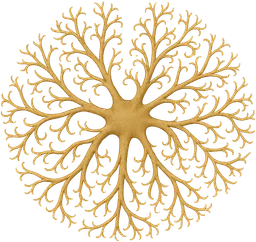 Basket star20 cmA basket star is a marine echinoderm related to brittle stars, with repeatedly branching arms adapted for filter feeding.
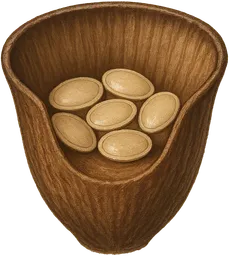 Bird’s nest fungus2 cmBird’s nest fungus is a small fungus whose fruiting body resembles a tiny nest containing spore-filled capsules called peridioles.
 Blue whale25 mA blue whale is a baleen whale that feeds by filtering small animals from seawater.
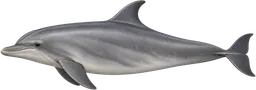 Bottlenose dolphin2.5 mA bottlenose dolphin is a marine mammal with a streamlined body, prominent dorsal fin and a short beak-like snout.
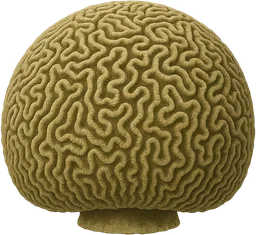 Brain coral colony1.5 mA brain coral colony is a living mound-shaped formation of coral polyps that secrete a grooved, dome-like calcium carbonate skeleton.
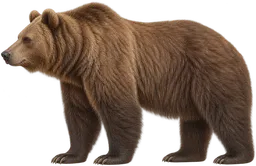 Brown bear2 mA brown bear is a large omnivorous mammal found in forests and mountainous regions of Eurasia and North America.
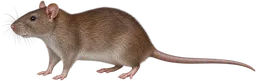 Brown rat25 cmA brown rat is a medium-sized rodent that adapts easily to urban and rural environments.
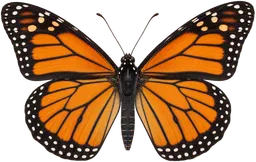 Butterfly5 cmThe butterfly is an insect with two pairs of scaled wings that undergoes metamorphosis from caterpillar to adult.
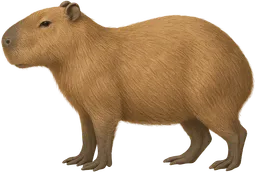 Capybara1.15 mA capybara is the largest living rodent, native to South America and adapted to semi-aquatic habitats.
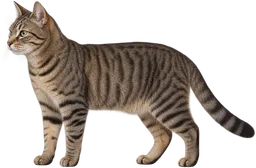 Cat46 cmA cat is a small domesticated mammal with a flexible body, retractable claws and highly developed senses.
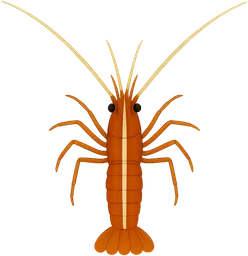 Cleaner shrimp5.5 cmA cleaner shrimp is a marine crustacean that removes parasites and dead tissue from fish, forming mutualistic relationships.
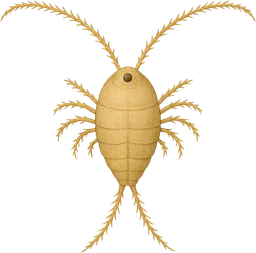 Copepod2 mmA copepod is a tiny aquatic crustacean found in marine and freshwater environments, playing a key role in aquatic food webs.
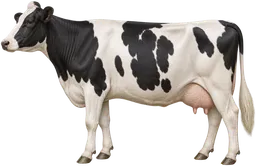 Cow2.5 mA cow is a domesticated animal raised for milk, meat, and leather.
 Dog80 cmA dog is a domesticated mammal with breeds that vary greatly in body shape and size.
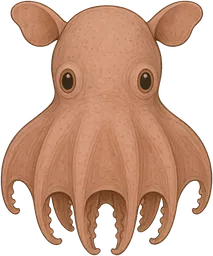 Dumbo octopus30 cmThe dumbo octopus is a deep-sea animal belonging to the genus Grimpoteuthis, recognised for its webbed arms and distinctive ear-like fins used for swimming.
 Earthworm12 cmAn earthworm is a segmented invertebrate that lives in soil and aids in decomposing organic material.
 Elkhorn coral colony2 mAn elkhorn coral colony is a branching formation of the coral species Acropora palmata, found in shallow Caribbean reefs.
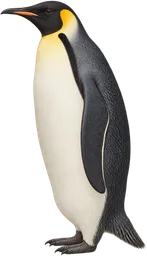 Emperor penguin1.15 mThe emperor penguin is a flightless bird native to Antarctica, adapted to breed during the harsh winter.
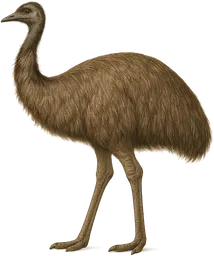 Emu1.8 mThe emu is a large, flightless bird native to Australia.
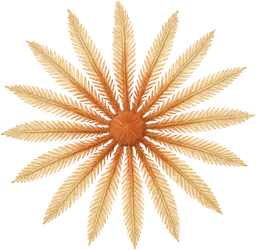 Feather star15 cmA feather star is a marine crinoid with multiple feathery arms used for filter feeding and movement on the sea floor.
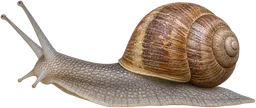 Garden snail3.5 cmThe garden snail is a terrestrial mollusc with a coiled shell, often found in gardens and damp environments.
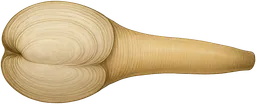 Geoduck17 cmA geoduck is a large burrowing marine clam with a comparatively small shell and a very long siphon.
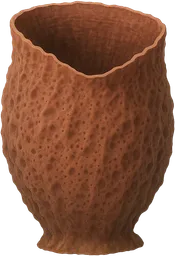 Giant barrel sponge1.2 mA giant barrel sponge is a large, hollow marine animal that filters food particles from seawater through its porous body.
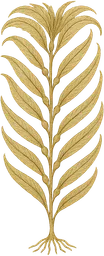 Giant kelp plant30 mGiant kelp is a large brown alga that grows from the seafloor and can form dense underwater forests.
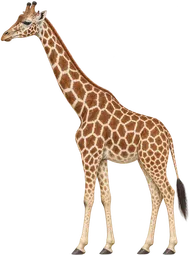 Giraffe5 mA giraffe is an African mammal distinguished by its extremely long neck and legs, feeding mainly on tree leaves.
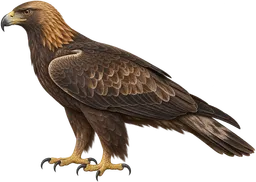 Golden eagle85 cmThe golden eagle is a large bird of prey with powerful talons and keen eyesight, found across the Northern Hemisphere.
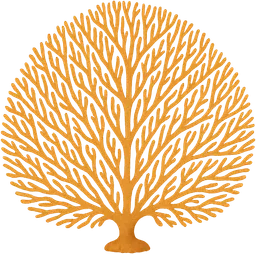 Gorgonian sea fan1.5 mA gorgonian sea fan is a colony of small coral-like animals supported by a branching, fan-shaped skeleton.
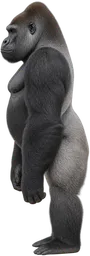 Gorilla1.7 mA gorilla is a large, ground-dwelling ape native to African forests, living in groups and feeding mainly on plants.
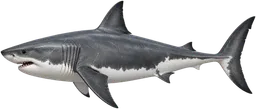 Great white shark4.5 mThe great white shark is a predatory fish with a conical snout and serrated teeth, found in temperate and coastal waters.
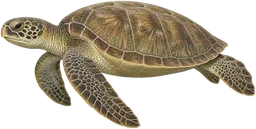 Green sea turtle1.1 mThe green sea turtle is a marine reptile that grazes on seagrass and algae in tropical and subtropical seas.
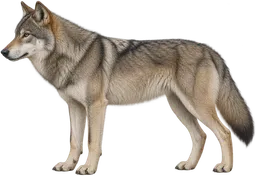 Grey wolf1.2 mA grey wolf is a social wild canine that lives and hunts in packs.
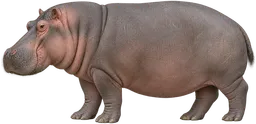 Hippopotamus3.5 mA hippopotamus is a large, mostly aquatic mammal native to Africa, spending much of its time in rivers and lakes.
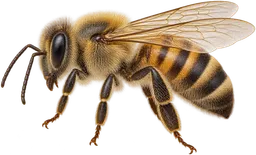 Honeybee1.5 cmA honeybee is a social insect that lives in a colony and gathers nectar and pollen from flowers.
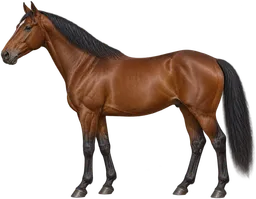 Horse2.4 mA horse is a large domesticated mammal used for riding, work, and sport.
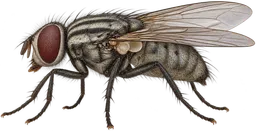 Housefly7 mmA housefly is a common flying insect often found near human habitation and associated with transmitting diseases.
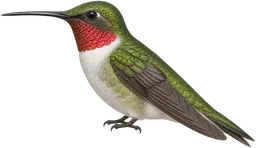 Hummingbird8 cmThe hummingbird is a tiny bird capable of hovering in mid-air by rapidly flapping its wings to feed on nectar.
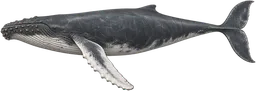 Humpback whale15 mThe humpback whale is a baleen whale recognised for its long pectoral fins and complex vocalisations.
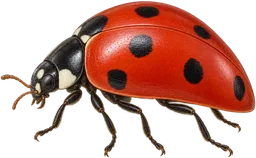 Ladybird6 mmA ladybird is a small beetle that feeds on aphids and is beneficial to gardens.
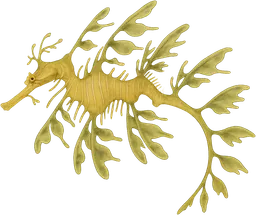 Leafy seadragon35 cmThe leafy seadragon is a marine fish from southern Australia with leaf-like appendages that help it blend into seaweed.
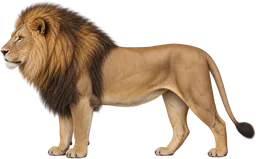 Lion1.9 mA lion is a large African cat that lives in social groups and preys on other mammals.
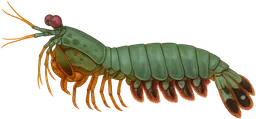 Mantis shrimp10 cmA mantis shrimp is a marine crustacean that hunts using specialised limbs to strike or spear prey.
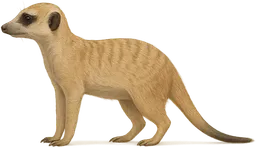 Meerkat50 cmA meerkat is a small, social mammal from southern Africa that lives in cooperative groups and forages for insects and other small animals.
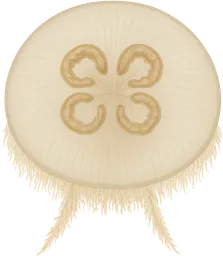 Moon jellyfish25 cmA moon jellyfish is a translucent marine animal recognised by the four horseshoe-shaped structures visible through its bell.
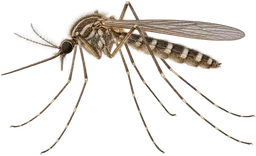 Mosquito6 mmA mosquito is a slender flying insect with long legs and a piercing mouthpart.
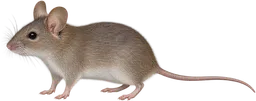 Mouse9 cmA mouse is a small rodent with a pointed snout and a long, thin tail.
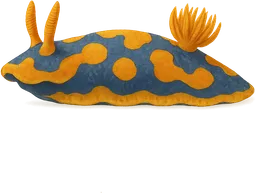 Nudibranch10 cmA nudibranch is a soft-bodied marine mollusc, often brightly coloured, commonly known as a sea slug.
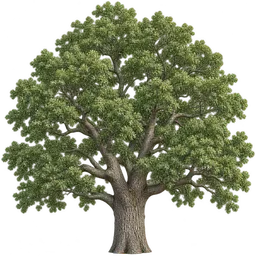 Oak tree25 mAn oak tree is a deciduous tree valued for its strong wood and distinctive lobed leaves.
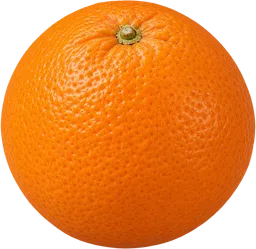 Orange150 gAn orange is an edible citrus fruit with a tough skin and juicy, segmented flesh.
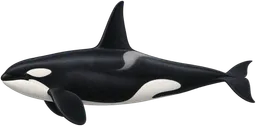 Orca7 mThe orca, or killer whale, is a highly intelligent marine mammal in the dolphin family that hunts in coordinated groups.
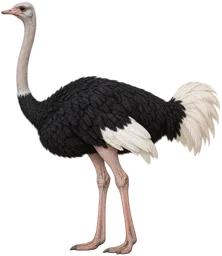 Ostrich2.4 mThe ostrich is a flightless bird native to Africa, notable for its long legs and rapid running speed.
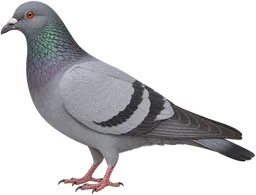 Pigeon32 cmA pigeon is a bird that feeds mainly on seeds and is often seen in urban environments.
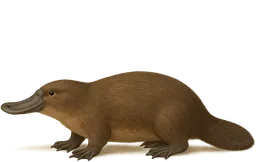 Platypus50 cmThe platypus is a semi-aquatic mammal native to eastern Australia, notable for its duck-like bill and egg-laying reproduction.
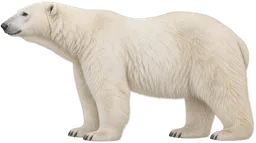 Polar bear2.5 mA polar bear is a large carnivorous mammal adapted to life on Arctic sea ice, mainly hunting seals.
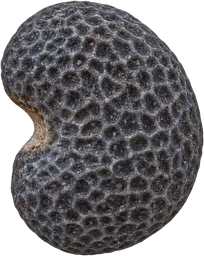 Poppy seed1 mmA poppy seed is an edible seed produced by plants in the poppy family and commonly used in breads and other foods.
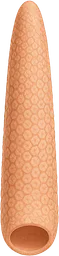 Pyrosome colony2 mA pyrosome is a hollow, free-floating colony of many small filter-feeding tunicates joined in a tube.
 Python4 mThe python is a non-venomous constrictor snake that kills prey by suffocation and is found in Africa, Asia, and Australia.
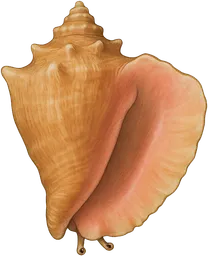 Queen conch25 cmThe queen conch is a marine mollusc native to the Caribbean and western Atlantic, recognised for its spiral pink shell.
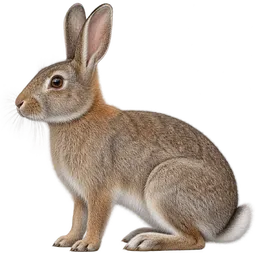 Rabbit40 cmA rabbit is a herbivorous mammal with long ears and strong hind legs, often kept as a pet or found in grasslands and forests.
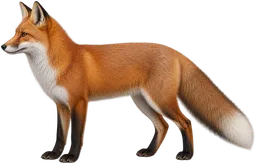 Red fox70 cmThe red fox is a wild member of the dog family, recognised for its reddish fur and bushy tail, and is native to much of the Northern Hemisphere.
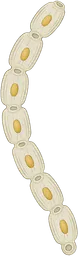 Salp chain2 mA salp chain is a colony of barrel-shaped marine tunicates linked together while they swim and filter seawater.
 Saltwater crocodile4.5 mThe saltwater crocodile is a large, semi-aquatic reptile native to coastal regions and river systems of Southeast Asia and Australia.
 Sand dollar8 cmA sand dollar is a flat, burrowing sea urchin with a rigid, disc-shaped skeleton, often found in sandy coastal waters.
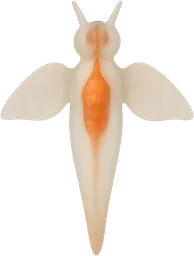 Sea angel2 cmA sea angel is a small, transparent swimming sea slug with wing-like appendages, found in cold ocean waters.
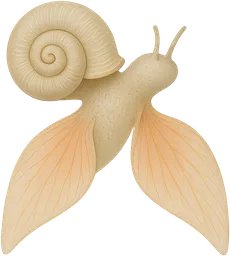 Sea butterfly5 mmA sea butterfly is a small marine snail that swims using wing-like extensions and has a delicate coiled shell.
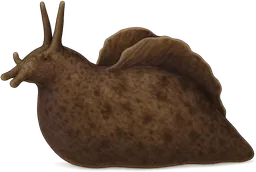 Sea hare20 cmA sea hare is a soft-bodied marine mollusc related to sea slugs, capable of releasing ink when threatened.
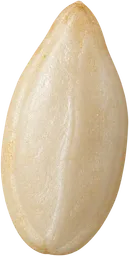 Sesame seed3 mmA sesame seed is an oil-rich edible seed produced by the sesame plant and used whole, ground or pressed for oil.
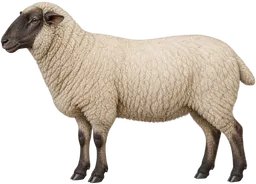 Sheep1.2 mA sheep is a domesticated animal kept for its wool, meat, and milk.
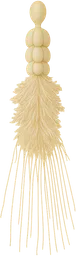 Siphonophore colony40 mA siphonophore is a floating colony of specialised animals called zooids that function together as one organism-like body.
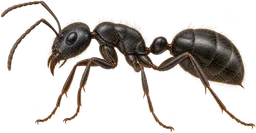 Small ant5 mmAn ant is a social insect that lives in an organised colony, usually with workers, a queen and specialised roles.
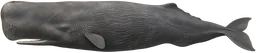 Sperm whale16 mThe sperm whale is a deep-diving toothed whale distinguished by its large, block-shaped head.
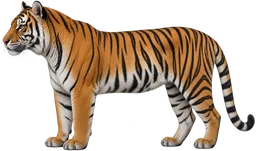 Tiger2.1 mA tiger is a solitary wild cat with a striped coat, native to Asia.
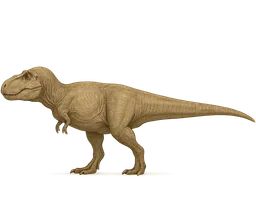 Tyrannosaurus rex12 mTyrannosaurus rex was a large, meat-eating dinosaur from the late Cretaceous period, recognised for its massive skull and powerful jaws.
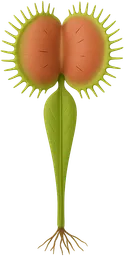 Venus flytrap3 cmThe Venus flytrap is a carnivorous plant that captures insects with its specialised hinged leaves.
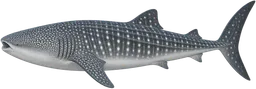 Whale shark10 mThe whale shark is the largest living fish and feeds by filtering plankton from the water.
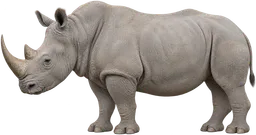 White rhinoceros3.8 mA white rhinoceros is a large African herbivore with two horns on its snout and a broad mouth for grazing.