
Capybara
A capybara is the largest living rodent, native to South America and adapted to semi-aquatic habitats.
Also known as: Hydrochoerus hydrochaeris
How big is it?
1.15 m · head-to-rump length
Also 3.773 ft
Head-to-rump length · representative
Typical recorded range: 1 m to 1.3 m.
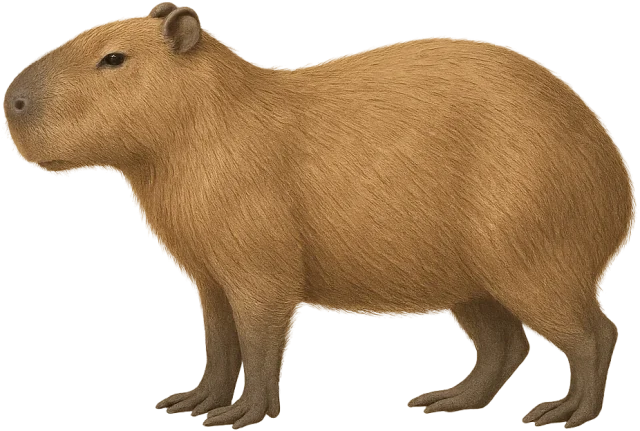
A little perspective
Capybara vs Giant barrel sponge: length comparison
The colony height of a giant barrel sponge is about 1.04 times the head-to-rump length of a capybara.
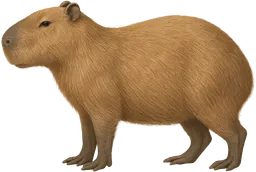
A capybara is the largest living rodent, native to South America and adapted to semi-aquatic habitats.
A giant barrel sponge is a large, hollow marine animal that filters food particles from seawater through its porous body.
Both rulers start at the same zero and share one linear scale. Artwork keeps its original proportions. Horizontal rulers compare the selected spans; vertical brackets also identify height on the artwork.
Measurements, assumptions & sources +
Capybara
Head-to-rump length: 1.15 m; representative; range 1 m–1.3 m.
A representative adult capybara at 1.15 m and 50 kg. San Diego Zoo gives a 1.0–1.3 m length and 27–79 kg mass range depending on sex.
San Diego Zoo Wildlife Alliance — Capybara
The marked head-to-rump length is calibrated. Unmeasured illustration details are representative.
Giant barrel sponge
Defined colony height: 1.2 m; defined specimen; range 50 cm–1.8 m.
A defined 1.2 m high giant barrel sponge (Xestospongia muta) with an 80 kg wet mass. Colonies grow in irregular barrel forms; height excludes the reef substrate and the central cavity is open.
The marked defined colony height is calibrated. Unmeasured illustration details are representative.
Use the visual comparison to explore its scale, then check the measurements and sources.
Change your perspective
Put it next to…
Choose a suggestion to redraw the comparison, or open its page to learn what it is.
Why this measurement?
Why we use 1.15 m
We compare the head-to-rump length of a capybara. This is a representative comparison value; individual specimens or conditions can vary. The recorded range is 1 m to 1.3 m.
A representative adult capybara at 1.15 m and 50 kg. San Diego Zoo gives a 1.0–1.3 m length and 27–79 kg mass range depending on sex.
The marked horizontal span follows the measured feature, not the edges of the image. How calibrated comparisons work →
Recorded properties
Dimensions and measurements
| Property | Selected value | Recorded range | Basis |
|---|---|---|---|
| 1.15 m | 1 m to 1.3 m | representative | |
| 50 kg | 27 kg to 79 kg | representative |
Around this scale
Explore nearby values.
Compare examples with lower, similar and higher values. Each card names the measurement being compared.
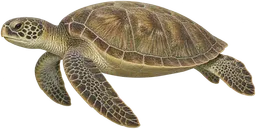 Nearest lower valueLiving thingsGreen sea turtle1.1 mCarapace lengthThe green sea turtle is a marine reptile that grazes on seagrass and algae in tropical and subtropical seas.
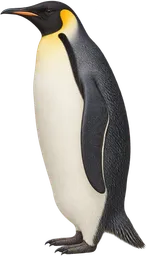 Around the same scaleLiving thingsEmperor penguin1.15 mHeightThe emperor penguin is a flightless bird native to Antarctica, adapted to breed during the harsh winter.
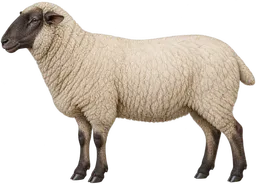 Nearest higher valueLiving thingsSheep1.2 mBody lengthA sheep is a domesticated animal kept for its wool, meat, and milk.
Sources and method
Want to check the number?
The source records and measurement method remain available for inspection.
- San Diego Zoo Wildlife Alliance — CapybaraAdult length 100–130 cm and mass 27–79 kg depending on sex.
There’s always another scale
Follow your curiosity.
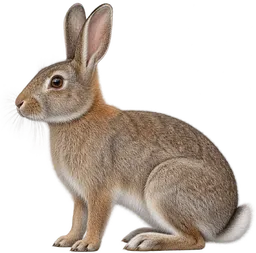 Living thingsRabbit40 cmA rabbit is a herbivorous mammal with long ears and strong hind legs, often kept as a pet or found in grasslands and forests.
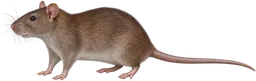 Living thingsBrown rat25 cmA brown rat is a medium-sized rodent that adapts easily to urban and rural environments.
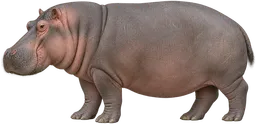 Living thingsHippopotamus3.5 mA hippopotamus is a large, mostly aquatic mammal native to Africa, spending much of its time in rivers and lakes.
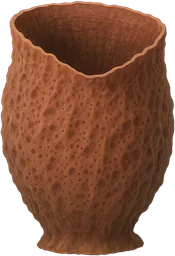 Living thingsGiant barrel sponge1.2 mA giant barrel sponge is a large, hollow marine animal that filters food particles from seawater through its porous body.
 SportFencing foil1.1 mA fencing foil is a lightweight sword used in the sport of fencing, designed for thrusting with a blunted tip.
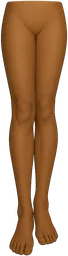 PeopleHuman leg1 mThe human leg is the lower limb extending from the hip to the heel, enabling standing and movement.
 Everyday thingsA0 paper1.189 mA0 paper is the largest paper format in the ISO 216 A-series, from which the later A-series formats are produced by repeated halving.
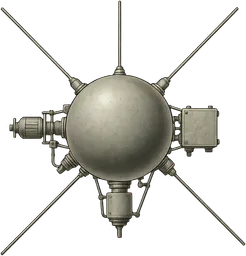 SpaceLuna 290 cmLuna 2 was a Soviet spacecraft that became the first human-made object to impact the Moon in 1959.