
The true size of a blue whale
Two buses, fourteen human heights and an orca that suddenly looks small.
Read the story →A visual encyclopedia of everything
See what something is, how big it really is, and what happens when you put it next to the rest of the world.
Start somewhere familiar
A little perspective
The diameter of US quarter is about 1.62 times the body length of Honeybee.
A 15 mm worker honeybee (Apis mellifera), at the upper end of the cited 10–15 mm worker range. Body length excludes antennae, legs and wings. The 100 mg mass is a separate illustrative assumption.
University of Michigan — Apis mellifera
The marked body length is calibrated. Unmeasured illustration details are representative.
A US quarter: 24.26 mm nominal diameter and 5.67 g mass. The illustrated relief is representative; the circular rim is the measured span.
US Mint — circulating coin specifications
The marked diameter is calibrated. Unmeasured illustration details are representative.
Side by side







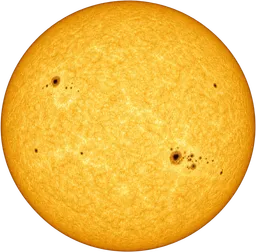
A closer look
The scale of everything
Cross 61 orders of magnitude. Start with a bee and travel all the way to the edge of the observable universe.
Take the journey ↗
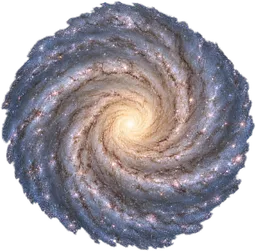
Pick a dimension
Same you. Different gravity.
Your mass stays the same. The pull of a different world changes everything.
Try it with your mass ↗
Put your perspective to the test
Play with real measurements and calibrated illustrations.