
Almond
An almond is the edible seed of the almond tree, commonly eaten as a nut or used in cooking.
How big is it?
1.2 g · mass
Mass · example
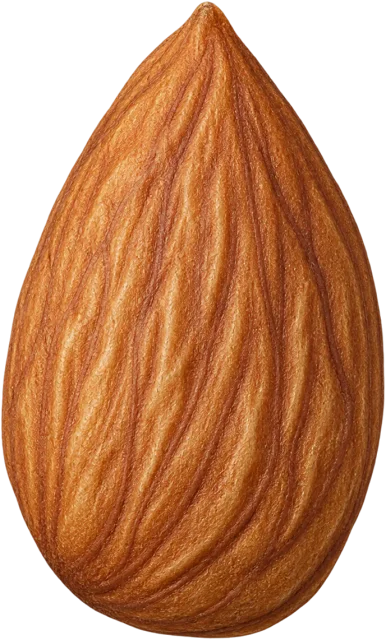
A little perspective
Almond vs Antarctic krill: mass comparison
An Antarctic krill has about 1.25 times the mass of an almond.
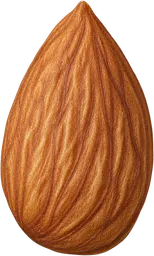
An almond is the edible seed of the almond tree, commonly eaten as a nut or used in cooking.
Antarctic krill (Euphausia superba) are small, shrimp-like marine crustaceans that serve as a vital food source for many Antarctic animals.
Bar length measures mass, not physical size. Both bars start at zero kilograms (kg). Pictures identify the objects only.
Measurements, assumptions & sources +
Almond
Mass: 1.2 g; example.
Defined example; real examples vary. The 1.2 g mass is an explicit assumption, not a species average or product specification.
Defined examples — our methodology
The marked mass is calibrated. Unmeasured illustration details are representative.
Antarctic krill
Defined wet mass: 1.5 g; representative specimen; range 1 g–2 g.
A defined adult Antarctic krill (Euphausia superba) 6 cm long with a 1.5 g wet mass. Body length excludes the antennae; sex, maturity and feeding condition affect size.
Australian Antarctic Program — Antarctic krill
The marked defined wet mass is calibrated. Unmeasured illustration details are representative.
Use the visual comparison to explore its scale, then check the measurements and sources.
Change your perspective
Put it next to…
Choose a suggestion to redraw the comparison, or open its page to learn what it is.
Why this measurement?
Why we use 1.2 g
We compare the mass of an almond. This is an illustrative comparison value, not a claim that every example is the same.
Defined example; real examples vary. The 1.2 g mass is an explicit assumption, not a species average or product specification.
The picture identifies the subject; the diagram compares the recorded values. How calibrated comparisons work →
Recorded properties
Dimensions and measurements
| Property | Selected value | Recorded range | Basis |
|---|---|---|---|
| 1.2 g | Not recorded | example |
Around this scale
Explore nearby values.
Compare examples with lower, similar and higher values. Each card names the measurement being compared.
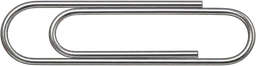 Nearest lower valueEveryday objectsPaperclip1 gMassA paperclip is a small bent wire device used to hold sheets of paper together.
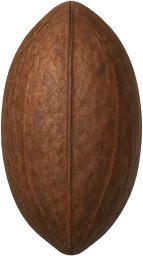 Around the same scaleEveryday objectsCacao bean1.2 gDefined dry-bean massA cacao bean is the dried seed of the Theobroma cacao tree, used to produce cocoa and chocolate.
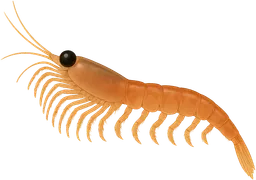 Nearest higher valueLiving thingsAntarctic krill1.5 gDefined wet massAntarctic krill (Euphausia superba) are small, shrimp-like marine crustaceans that serve as a vital food source for many Antarctic animals.
Sources and method
Want to check the number?
The source records and measurement method remain available for inspection.
There’s always another scale
Follow your curiosity.
Living thingsAntarctic krill6 cmAntarctic krill (Euphausia superba) are small, shrimp-like marine crustaceans that serve as a vital food source for many Antarctic animals.Everyday thingsCacao bean2.4 cmA cacao bean is the dried seed of the Theobroma cacao tree, used to produce cocoa and chocolate.Everyday thingsPaperclip3.3 cmA paperclip is a small bent wire device used to hold sheets of paper together.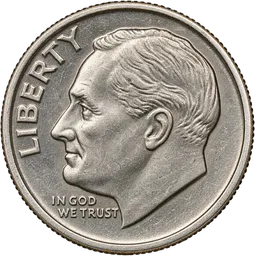 Everyday thingsUS dime1.791 cmA US dime is a ten-cent coin, the smallest denomination in US currency above the penny and nickel.
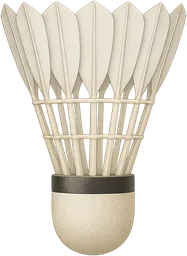 SportShuttlecock8.5 cmA shuttlecock is a feathered projectile used in badminton, designed to be struck by rackets.
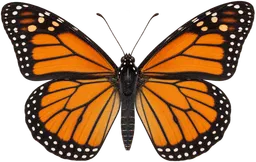 Living thingsButterfly5 cmThe butterfly is an insect with two pairs of scaled wings that undergoes metamorphosis from caterpillar to adult.
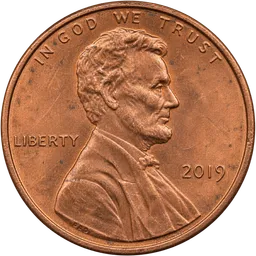 Everyday thingsUS penny1.905 cmA US penny is a copper-plated coin worth one cent in United States currency.
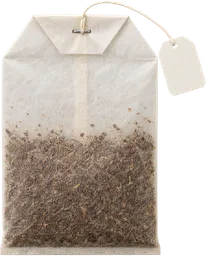 Everyday thingsTea bag2 gA tea bag is a porous sachet containing tea leaves for brewing tea in hot water.