
Basket star
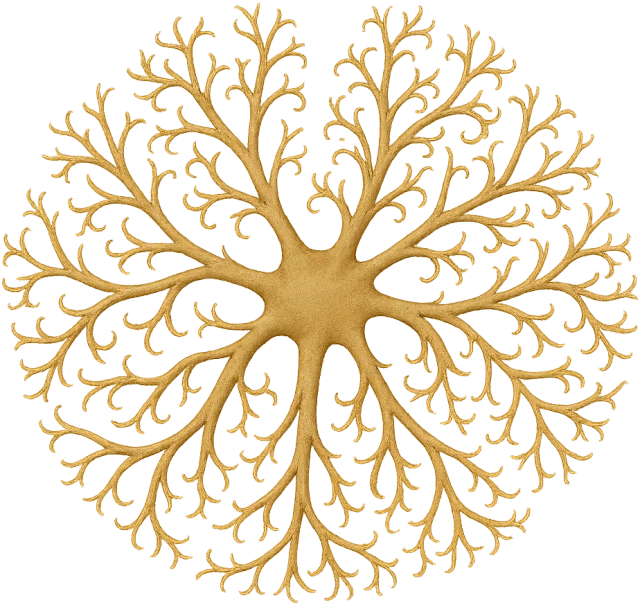
A basket star is a marine echinoderm related to brittle stars, with repeatedly branching arms adapted for filter feeding.
Also known as: basketstar, euryalid brittle star
How big is it?
20 cm · defined arm-tip span
Also 7.874 in
Defined arm-tip span · defined specimen
Typical recorded range: 10 cm to 50 cm.
A little perspective
Basket star vs Sea hare: length comparison
The arm-tip span of a basket star is approximately equal to the body length of a sea hare.
A basket star is a marine echinoderm related to brittle stars, with repeatedly branching arms adapted for filter feeding.
A sea hare is a soft-bodied marine mollusc related to sea slugs, capable of releasing ink when threatened.
Both rulers start at the same zero and share one linear scale. Artwork keeps its original proportions.
Measurements, assumptions & sources +
Basket star
Defined arm-tip span: 20 cm; defined specimen; range 10 cm–50 cm.
A defined 20 cm expanded basket star measured across the branching arm tips. Species and posture alter the projected span dramatically; the central disc is much smaller.
Smithsonian Ocean — Basket stars
The marked defined arm-tip span is calibrated. Unmeasured illustration details are representative.
Sea hare
Defined body length: 20 cm; defined specimen; range 12 cm–30 cm.
A defined 20 cm Aplysia sea hare measured along the relaxed body. Species, maturity and posture vary greatly; extended oral tentacles are excluded.
Monterey Bay Aquarium — California sea hare
The marked defined body length is calibrated. Unmeasured illustration details are representative.
Use the visual comparison to explore its scale, then check the measurements and sources.
Change your perspective
Put it next to…
Choose a suggestion to redraw the comparison, or open its page to learn what it is.
Why this measurement?
Why we use 20 cm
We compare the arm-tip span of a basket star. This is an illustrative comparison value, not a claim that every example is the same. The recorded range is 10 cm to 50 cm.
A defined 20 cm expanded basket star measured across the branching arm tips. Species and posture alter the projected span dramatically; the central disc is much smaller.
The marked horizontal span follows the measured feature, not the edges of the image. How calibrated comparisons work →
Recorded properties
Dimensions and measurements
| Property | Selected value | Recorded range | Basis |
|---|---|---|---|
| 20 cm | 10 cm to 50 cm | defined specimen |
Around this scale
Explore nearby values.
Compare examples with lower, similar and higher values. Each card names the measurement being compared.
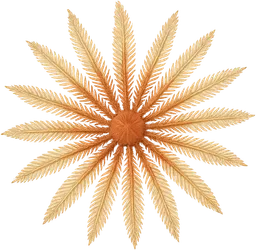 Nearest lower valueLiving thingsFeather star15 cmDefined arm-tip spanA feather star is a marine crinoid with multiple feathery arms used for filter feeding and movement on the sea floor.
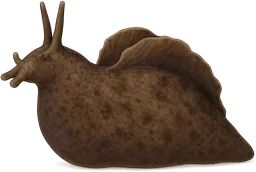 Around the same scaleLiving thingsSea hare20 cmDefined body lengthA sea hare is a soft-bodied marine mollusc related to sea slugs, capable of releasing ink when threatened.
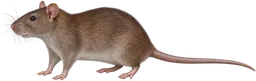 Nearest higher valueLiving thingsBrown rat25 cmBody lengthA brown rat is a medium-sized rodent that adapts easily to urban and rural environments.
Sources and method
Want to check the number?
The source records and measurement method remain available for inspection.
- Smithsonian Ocean — Basket starsEuryalid anatomy and branching-arm form; the atlas uses an explicitly defined projected specimen.
There’s always another scale
Follow your curiosity.
Living thingsFeather star15 cmA feather star is a marine crinoid with multiple feathery arms used for filter feeding and movement on the sea floor.Living thingsSea hare20 cmA sea hare is a soft-bodied marine mollusc related to sea slugs, capable of releasing ink when threatened.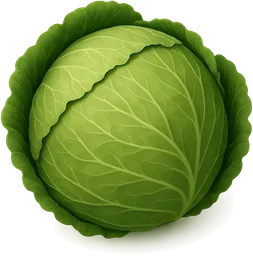 Everyday thingsCabbage head20 cmA cabbage head is the compact, leafy, edible part of a green cabbage plant, commonly used as a vegetable.
 SportDisc golf driver21.1 cmA disc golf driver is a specialised flying disc designed for long-distance throws in the sport of disc golf.
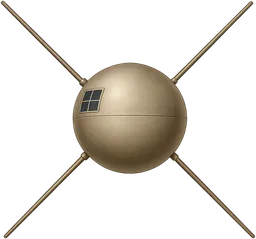 SpaceVanguard 116.5 cmVanguard 1 is an early American satellite launched in 1958, notable for being the oldest human-made object still in orbit.
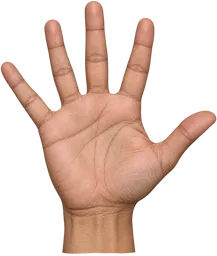 PeopleHand span20 cmHand span is the distance measured from the tip of the thumb to the tip of the little finger when the hand is fully extended.
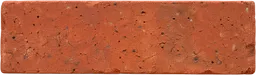 Built worldBrick21.5 cmA brick is a rectangular block made from clay or concrete, commonly used in building walls and structures.
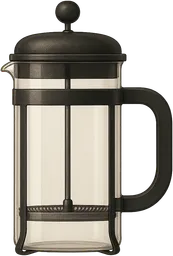 ContainersFrench coffee press1 LA French coffee press is a device for brewing coffee by steeping ground beans in hot water and separating them with a plunger and mesh filter.