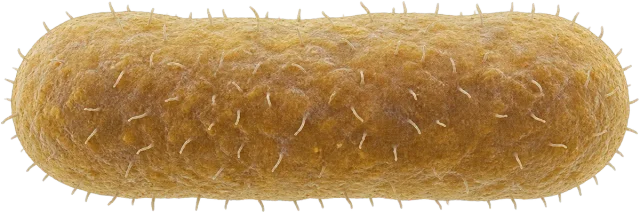
2 µm bacterium
A bacterium is a single-celled microorganism without a membrane-bound nucleus. Different bacterial species have very different forms and sizes.
How big is it?
2 µm long
Length · example
A little perspective
Platelet is about 1.5 times larger on this measurement.
Platelet: A platelet is a small blood-cell fragment that helps form clots and stop bleeding after a blood vessel is damaged.
Measurements, assumptions & sources +
2 µm bacterium
A 2 µm long illustrative bacterium. Species and growth conditions vary.
Defined examples — our methodology
The marked length is calibrated. Unmeasured illustration details are representative.
Platelet
A representative inactive human platelet about 3 µm across. Platelets vary in size and change shape dramatically when activated; the illustration is a resting schematic.
University of Utah — Cell size and scale
The marked representative diameter is calibrated. Unmeasured illustration details are representative.
Change your perspective
Put it next to…
Choose a suggestion to redraw the comparison, or open its page to learn what it is.
Why this measurement?
Why we use 2 µm
For comparison, this page uses length. This is labelled example: an explicit comparison model rather than a claim that every example has the same value.
A 2 µm long illustrative bacterium. Species and growth conditions vary.
The marked horizontal span follows the named feature; transparent margins and unmeasured details do not alter it. How calibrated comparisons work →
Recorded properties
2 µm bacterium dimensions and measurements
| Property | Selected value | Recorded range | Basis |
|---|---|---|---|
| 2 µm | Not recorded | example | |
| 1 pg | Not recorded | defined specimen |
Around this scale
Go smaller. Go bigger.
These links use compatible length records, ordered around the selected value.
Sources and method
Want to check the number?
The source records and measurement method remain available for inspection.
More ways to see it
Curated comparisons
There’s always another scale
Follow your curiosity.
 MicroscopicPlatelet3 µmA platelet is a small blood-cell fragment that helps form clots and stop bleeding after a blood vessel is damaged.
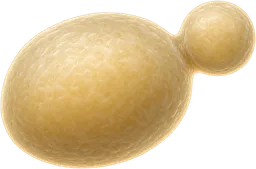 MicroscopicYeast cell5 µmYeast is a group of single-celled fungi.
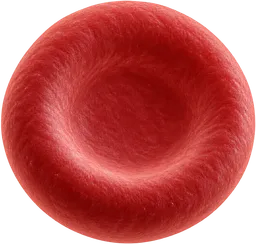 MicroscopicRed blood cell7.5 µmA red blood cell is a specialised blood cell that transports oxygen using haemoglobin.
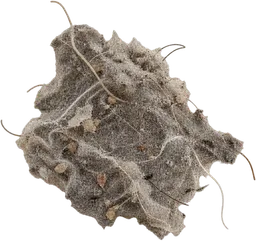 MicroscopicDust particle10 µmDust is a mixture of tiny solid particles from sources such as soil, fibres, skin and pollen.
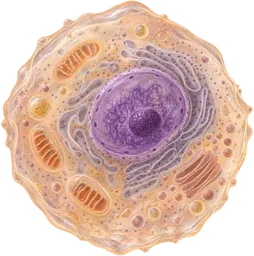 Microscopic10 µm cell10 µmA cell is the basic structural unit of living organisms.
 PeopleSperm cell50 µmA sperm cell is a male reproductive cell with a compact head, energy-producing midpiece and a flagellum used for movement.
 MicroscopicBacteriophage T4200 nmBacteriophage T4 is a virus that infects bacteria.
 People70 µm hair70 µmA hair is a slender strand of protein that grows from the skin of humans and other mammals.