
Cell
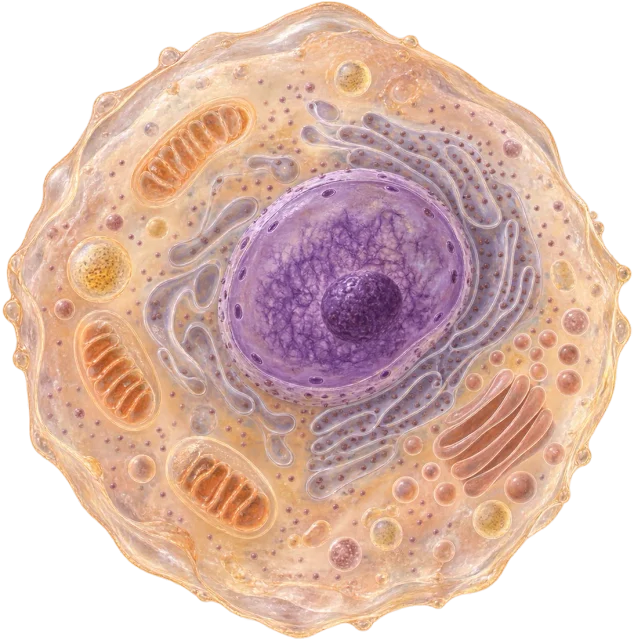
A cell is the basic structural unit of living organisms. Cells vary enormously in shape, function and size.
Also known as: human cell
How big is it?
10 µm across
Diameter · example
A little perspective
Cell vs Dust particle: length comparison
The diameter of a cell is approximately equal to the characteristic size of a dust particle.
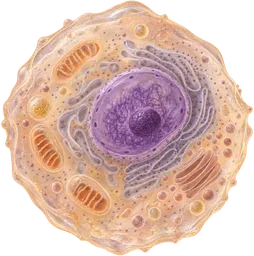
Dust is a mixture of tiny solid particles from sources such as soil, fibres, skin and pollen.
Both rulers start at the same zero and share one linear scale. Artwork keeps its original proportions.
Measurements, assumptions & sources +
Cell
Diameter: 10 µm; example.
A 10 µm diameter teaching example, not a universal cell size.
Defined examples — our methodology
The marked diameter is calibrated. Unmeasured illustration details are representative.
Dust particle
Characteristic size: 10 µm; representative.
A chosen 10 µm particle. Dust is a mixture, not a single size or material.
University of Utah — Cell size and scale
The marked characteristic size is calibrated. Unmeasured illustration details are representative.
Use the visual comparison to explore its scale, then check the measurements and sources.
Change your perspective
Put it next to…
Choose a suggestion to redraw the comparison, or open its page to learn what it is.
Why this measurement?
Why we use 10 µm
We compare the diameter of a cell. This is an illustrative comparison value, not a claim that every example is the same.
A 10 µm diameter teaching example, not a universal cell size.
The marked horizontal span follows the measured feature, not the edges of the image. How calibrated comparisons work →
Recorded properties
Dimensions and measurements
| Property | Selected value | Recorded range | Basis |
|---|---|---|---|
| 10 µm | Not recorded | example | |
| 1 ng | Not recorded | defined specimen |
Around this scale
Explore nearby values.
Compare examples with lower, similar and higher values. Each card names the measurement being compared.
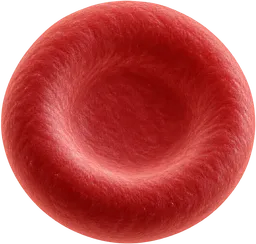 Nearest lower valueMicroscopic objectsRed blood cell7.5 µmCharacteristic sizeA red blood cell is a specialised blood cell that transports oxygen using haemoglobin.
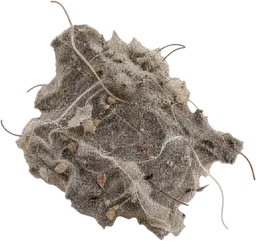 Around the same scaleMicroscopic objectsDust particle10 µmCharacteristic sizeDust is a mixture of tiny solid particles from sources such as soil, fibres, skin and pollen.
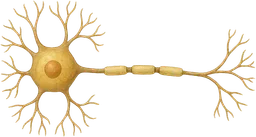 Nearest higher valueMicroscopic objectsNeuron cell body20 µmDefined soma diameterA neuron cell body, or soma, is the central part of a nerve cell containing its nucleus.
Sources and method
Want to check the number?
The source records and measurement method remain available for inspection.
More ways to see it
Curated comparisons
There’s always another scale
Follow your curiosity.
MicroscopicRed blood cell7.5 µmA red blood cell is a specialised blood cell that transports oxygen using haemoglobin.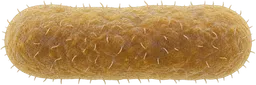 MicroscopicBacterium2 µmA bacterium is a single-celled microorganism without a membrane-bound nucleus.
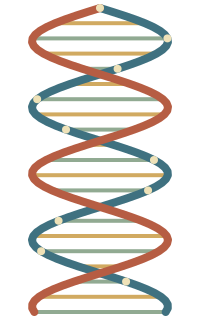 MicroscopicDNA double helix2 nmDNA is the molecule that stores hereditary information in living organisms.
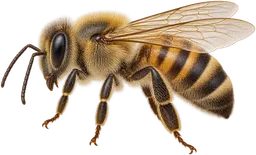 Living thingsHoneybee1.5 cmA honeybee is a social insect that lives in a colony and gathers nectar and pollen from flowers.MicroscopicDust particle10 µmDust is a mixture of tiny solid particles from sources such as soil, fibres, skin and pollen.
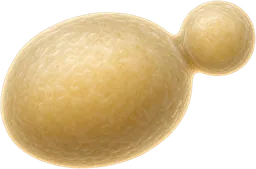 MicroscopicYeast cell5 µmYeast is a group of single-celled fungi.
 PeopleSperm cell50 µmA sperm cell is a male reproductive cell with a compact head, energy-producing midpiece and a flagellum used for movement.MicroscopicNeuron cell body20 µmA neuron cell body, or soma, is the central part of a nerve cell containing its nucleus.