Pollen grain
A pollen grain carries the male reproductive cells of a seed-producing plant. Its resistant outer wall has a form characteristic of the plant species.
How big is it?
30 µm across
Characteristic size · representative
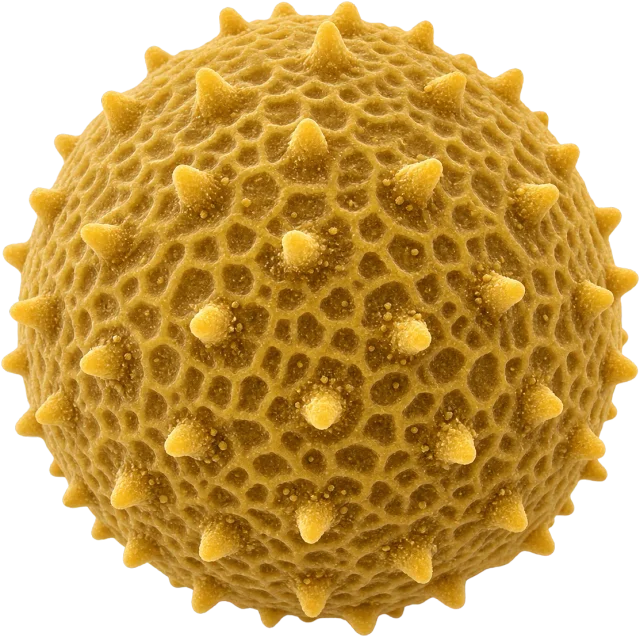
A little perspective
About 3 times the characteristic size of Dust particle.
Dust particle: Dust is a mixture of tiny solid particles from sources such as soil, fibres, skin and pollen.
Measurements, assumptions & sources +
Pollen grain
A chosen 30 µm pollen grain. Plant species produce very different grains.
University of Utah — Cell size and scale
The marked characteristic size is calibrated. Unmeasured illustration details are representative.
Dust particle
A chosen 10 µm particle. Dust is a mixture, not a single size or material.
University of Utah — Cell size and scale
The marked characteristic size is calibrated. Unmeasured illustration details are representative.
Change your perspective
Put it next to…
Choose a suggestion to redraw the comparison, or open its page to learn what it is.
Why this measurement?
Why we use 30 µm
For comparison, this page uses characteristic size. This is labelled representative; the central value is useful for comparison, while real values or measurement solutions can vary.
A chosen 30 µm pollen grain. Plant species produce very different grains.
The marked horizontal span follows the named feature; transparent margins and unmeasured details do not alter it. How calibrated comparisons work →
Recorded properties
Pollen grain dimensions and measurements
| Property | Selected value | Recorded range | Basis |
|---|---|---|---|
| 30 µm | Not recorded | representative | |
| 10 ng | Not recorded | defined specimen |
Around this scale
Go smaller. Go bigger.
These links use compatible length records, ordered around the selected value.
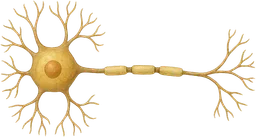 Nearest lower value · MicroscopicNeuron cell body20 µmA neuron cell body, or soma, is the central part of a nerve cell containing its nucleus.
 Nearest higher value · PeopleSperm cell50 µmA sperm cell is a male reproductive cell with a compact head, energy-producing midpiece and a flagellum used for movement.
Sources and method
Want to check the number?
The source records and measurement method remain available for inspection.
- University of Utah — Cell size and scaleApproximate biological size regimes. Atlas specimens and geometric assumptions are individually labelled.
- Defined examples — our methodology
More ways to see it
Curated comparisons
There’s always another scale
Follow your curiosity.
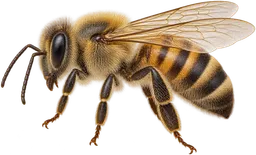 Living thingsHoneybee1.5 cmA honeybee is a social insect that lives in a colony and gathers nectar and pollen from flowers.
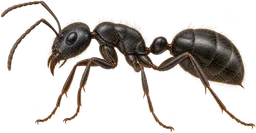 Living thingsSmall ant5 mmAn ant is a social insect that lives in an organised colony, usually with workers, a queen and specialised roles.
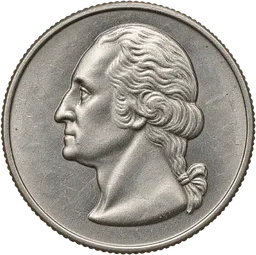 Everyday thingsUS quarter2.426 cmA US quarter is a coin worth twenty-five cents, commonly used in United States currency.
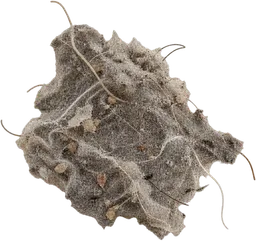 MicroscopicDust particle10 µmDust is a mixture of tiny solid particles from sources such as soil, fibres, skin and pollen.
 People70 µm hair70 µmA hair is a slender strand of protein that grows from the skin of humans and other mammals.
 Everyday thingsSheet of paper100 µmA sheet of paper is a flat material made from cellulose pulp, used for writing, printing or packaging.
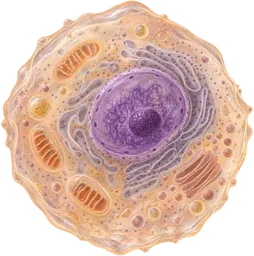 Microscopic10 µm cell10 µmA cell is the basic structural unit of living organisms.
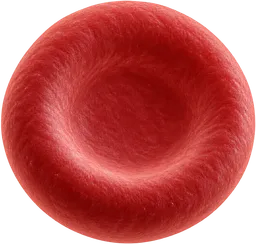 MicroscopicRed blood cell7.5 µmA red blood cell is a specialised blood cell that transports oxygen using haemoglobin.