Virus
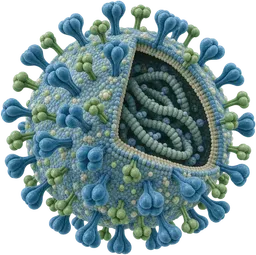
A virus is an infectious particle containing genetic material inside a protein coat, sometimes with an outer envelope.
100 nmCharacteristic sizeBeyond the eye
What are they, and what does the difference actually look like?
Two things. One honest scale.
Meet the pair
A virus is an infectious particle containing genetic material inside a protein coat, sometimes with an outer envelope.
100 nmCharacteristic size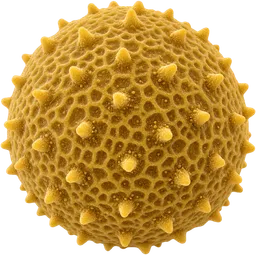
A pollen grain carries the male reproductive cells of a seed-producing plant.
30 µmCharacteristic sizePollen grain has about 300 times the characteristic size of Virus.
A chosen 100 nm viral particle, including the approximate envelope. Viruses vary greatly.
University of Utah — Cell size and scale
The marked characteristic size is calibrated. Unmeasured illustration details are representative.
A chosen 30 µm pollen grain. Plant species produce very different grains.
University of Utah — Cell size and scale
The marked characteristic size is calibrated. Unmeasured illustration details are representative.
Change the comparison
Measurement details
The visual compares characteristic size with characteristic size. The records below preserve each value’s basis and caveats.
Characteristic size · representative
A chosen 100 nm viral particle, including the approximate envelope. Viruses vary greatly.
Characteristic size · representative
A chosen 30 µm pollen grain. Plant species produce very different grains.
The labelled spans and stored measurements determine the scale; unmeasured illustration details do not.
There’s always another scale
MicroscopicVirus100 nmA virus is an infectious particle containing genetic material inside a protein coat, sometimes with an outer envelope.MicroscopicPollen grain30 µmA pollen grain carries the male reproductive cells of a seed-producing plant.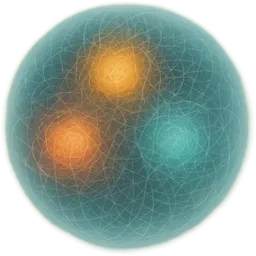 Fundamental physicsProton1.682 fmA proton is a positively charged particle found in the nucleus of atoms, made up of quarks.
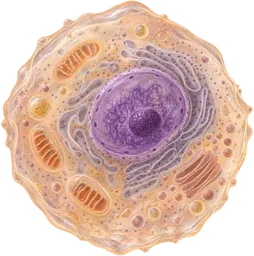 Microscopic10 µm cell10 µmA cell is the basic structural unit of living organisms.
 People70 µm hair70 µmA hair is a slender strand of protein that grows from the skin of humans and other mammals.
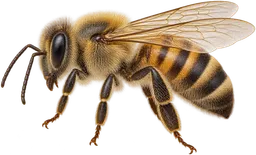 Living thingsHoneybee1.5 cmA honeybee is a social insect that lives in a colony and gathers nectar and pollen from flowers.
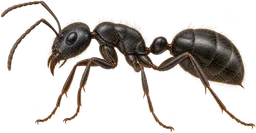 Living thingsSmall ant5 mmAn ant is a social insect that lives in an organised colony, usually with workers, a queen and specialised roles.
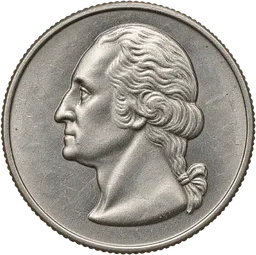 Everyday thingsUS quarter2.426 cmA US quarter is a coin worth twenty-five cents, commonly used in United States currency.
Side by side