
Human torso
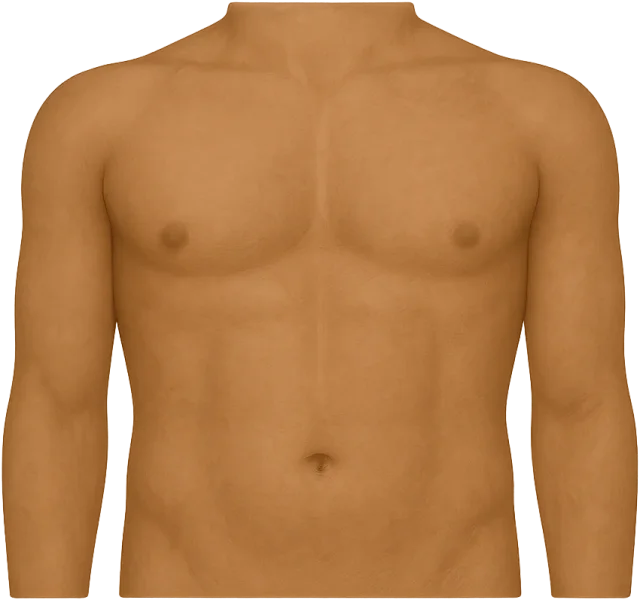
The human torso is the central part of the body between the shoulders and hips, containing most major internal organs.
Also known as: adult human torso, human trunk
How big is it?
60 cm · defined shoulder-to-hip height
Also 1.969 ft
Defined shoulder-to-hip height · representative model
Typical recorded range: 50 cm to 70 cm.
A little perspective
Human torso vs Alligator snapping turtle: length comparison
The shoulder-to-hip height of the human torso is approximately equal to the straight carapace length of an alligator snapping turtle.
The human torso is the central part of the body between the shoulders and hips, containing most major internal organs.
The alligator snapping turtle is a freshwater turtle from the southeastern United States, distinguished by its spiked shell and powerful jaws.
Both rulers start at the same zero and share one linear scale. Artwork keeps its original proportions. Horizontal rulers compare the selected spans; vertical brackets also identify height on the artwork.
Measurements, assumptions & sources +
Human torso
Defined shoulder-to-hip height: 60 cm; representative model; range 50 cm–70 cm.
A headless trunk in a defined 70 kg adult model: 60 cm from shoulder level to hip and 30.42 kg using a published trunk mass fraction. Arms, legs, neck and head are excluded; this is not a population average.
de Leva — Adjustments to Zatsiorsky-Seluyanov segment inertia parameters
The marked defined shoulder-to-hip height is calibrated. Unmeasured illustration details are representative.
Alligator snapping turtle
Defined straight carapace length: 60 cm; defined specimen; range 40 cm–80 cm.
A defined adult alligator snapping turtle with a 60 cm straight carapace and 35 kg mass. Head and tail extend beyond the calibrated shell span; very large individuals can be heavier.
US Fish and Wildlife Service — Alligator snapping turtle
The marked defined straight carapace length is calibrated. Unmeasured illustration details are representative.
Use the visual comparison to explore its scale, then check the measurements and sources.
Change your perspective
Put it next to…
Choose a suggestion to redraw the comparison, or open its page to learn what it is.
Why this measurement?
Why we use 60 cm
We compare the shoulder-to-hip height of the human torso. This is a representative comparison value; individual specimens or conditions can vary. The recorded range is 50 cm to 70 cm.
A headless trunk in a defined 70 kg adult model: 60 cm from shoulder level to hip and 30.42 kg using a published trunk mass fraction. Arms, legs, neck and head are excluded; this is not a population average.
The marked vertical span follows the measured feature, not the edges of the image. How calibrated comparisons work →
Recorded properties
Dimensions and measurements
| Property | Selected value | Recorded range | Basis |
|---|---|---|---|
| 60 cm | 50 cm to 70 cm | representative model | |
| 30.42 kg | 25 kg to 36 kg | representative model |
Around this scale
Explore nearby values.
Compare examples with lower, similar and higher values. Each card names the measurement being compared.
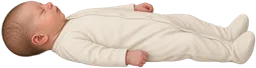 Nearest lower valuePeople and human anatomyNewborn baby50 cmLengthA newborn baby is a human infant in the earliest period immediately after birth.
 Around the same scaleEveryday objects60 cm floor tile60 cmLengthA large tile is a square flooring piece, often ceramic or stone, used for covering expansive areas.
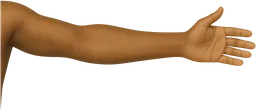 Nearest higher valuePeople and human anatomyHuman arm75 cmDefined shoulder-to-fingertip lengthThe human arm is the upper limb of the body, extending from the shoulder to the hand and enabling a wide range of movement and manipulation.
Sources and method
Want to check the number?
The source records and measurement method remain available for inspection.
- de Leva — Adjustments to Zatsiorsky-Seluyanov segment inertia parametersAdult body-segment mass fractions; atlas segment masses are derived for a defined 70 kg adult model.
There’s always another scale
Follow your curiosity.
PeopleHuman arm75 cmThe human arm is the upper limb of the body, extending from the shoulder to the hand and enabling a wide range of movement and manipulation.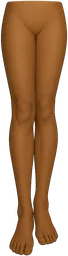 PeopleHuman leg1 mThe human leg is the lower limb extending from the hip to the heel, enabling standing and movement.
 PeopleHuman1.75 mA human is a primate of the species Homo sapiens, distinguished by habitual upright walking, language and complex tool use.
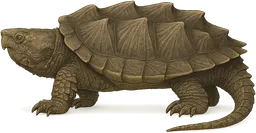 Living thingsAlligator snapping turtle60 cmThe alligator snapping turtle is a freshwater turtle from the southeastern United States, distinguished by its spiked shell and powerful jaws.
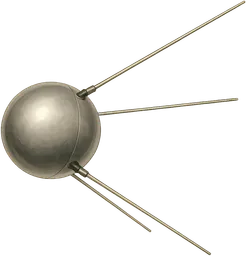 SpaceSputnik 158 cmSputnik 1 was the first artificial satellite launched into Earth orbit by the Soviet Union in 1957.
 Everyday thingsA2 paper59.4 cmA2 paper is an ISO 216 paper format produced by halving an A1 sheet across its longer side.
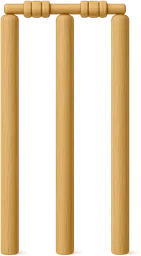 SportCricket wicket set71.12 cmA cricket wicket set is the arrangement of three upright wooden stumps topped by two bails, serving as the target for bowlers and fielders in cricket.
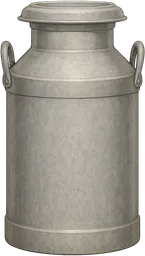 ContainersMilk churn40 LA milk churn is a traditional metal container used for transporting and storing milk from farms to dairies.