Laptop in use
The electrical power consumed by a laptop computer while in active use.
How big is it?
50 W of power
Power · example
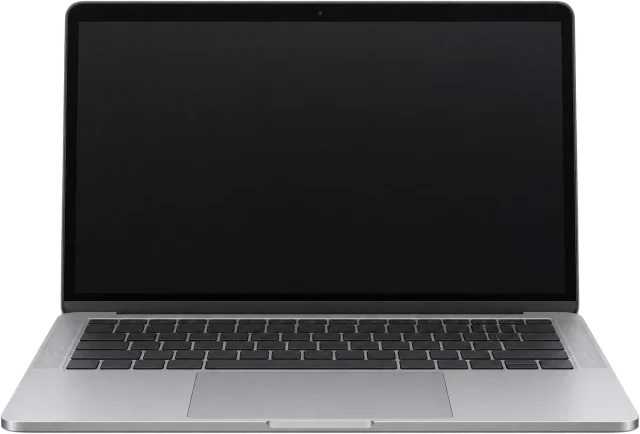
A little perspective
Human mechanical output is about 2 times larger on this measurement.
Human mechanical output: The sustained rate at which a person can perform mechanical work, such as cycling or lifting.
Measurements, assumptions & sources +
Laptop in use
A chosen 50 W electrical draw. Workload affects actual consumption.
Defined examples — our methodology
The marked power is calibrated. Unmeasured illustration details are representative.
Human mechanical output
A chosen 100 W sustained mechanical output, not total metabolic power.
Defined examples — our methodology
The marked power is calibrated. Unmeasured illustration details are representative.
Change your perspective
Put it next to…
Choose a suggestion to redraw the comparison, or open its page to learn what it is.
Why this measurement?
Why we use 50 W
For comparison, this page uses power. This is labelled example: an explicit comparison model rather than a claim that every example has the same value.
A chosen 50 W electrical draw. Workload affects actual consumption.
The identifying illustration and the numerical comparison remain separate. How calibrated comparisons work →
Recorded properties
Laptop in use dimensions and measurements
| Property | Selected value | Recorded range | Basis |
|---|---|---|---|
| 50 W | Not recorded | example |
Around this scale
Go smaller. Go bigger.
These links use compatible power records, ordered around the selected value.
Sources and method
Want to check the number?
The source records and measurement method remain available for inspection.
More ways to see it
Curated comparisons
There’s always another scale
Follow your curiosity.
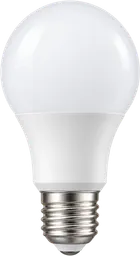 PowerLED bulb9 WThe electrical power drawn by a light-emitting diode lamp used for illumination.
 PowerElectric kettle3 kWThe electrical power used by an electric kettle to heat water.
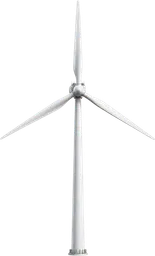 PowerWind turbine5 MWThe rated electrical power output of a wind-driven generator.
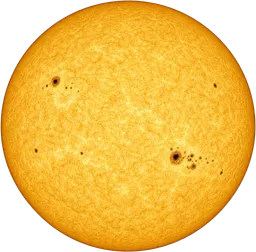 SpaceSun1,391,000 kmThe Sun is the star at the centre of the Solar System.
 PowerHuman mechanical output100 WThe sustained rate at which a person can perform mechanical work, such as cycling or lifting.
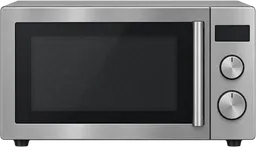 PowerMicrowave input1.2 kWThe electrical power supplied to a microwave oven for heating food.
 PowerSmartphone active electrical draw3 WSmartphone active electrical draw is the electrical power consumed by a smartphone during active use, including display, processing and wireless communication.
 PowerIndicator LED50 mWThe electrical power used by a small light-emitting diode that indicates device status.