
Hearing aid average draw
Hearing aid average draw is the typical electrical power consumed by a hearing aid during normal operation.
How big is it?
1 mW · average electrical draw
Average electrical draw · representative
Typical recorded range: 100 µW to 10 mW.

A little perspective
Hearing aid average draw vs Single-mode laser pointer optical output: power comparison
The optical output of a single-mode laser pointer is about 5 times the average electrical draw of a hearing aid.
ENERGY EACH SECOND
Hearing aid average draw is the typical electrical power consumed by a hearing aid during normal operation.
Single-mode laser pointer optical output is the continuous visible light power emitted by a standard handheld laser pointer operating in a single spatial mode.
Measurements, assumptions & sources +
Hearing aid average draw
Average electrical draw: 1 mW; representative; range 100 µW–10 mW.
A representative 1 mW average electrical draw for a hearing aid. Radio use, signal processing, output level, battery voltage and duty cycle can shift consumption across the stated range.
Defined examples — our methodology
The marked average electrical draw is calibrated. Unmeasured illustration details are representative.
Single-mode laser pointer optical output
Rated continuous optical output: 5 mW; defined upper reference; range 1 mW–5 mW.
A defined 5 mW visible laser pointer output. The 0.3 J comparison is power multiplied by 60 seconds; beam class, wavelength and actual output matter.
US FDA — Laser products and instruments
The marked rated continuous optical output is calibrated. Unmeasured illustration details are representative.
Use the visual comparison to explore its scale, then check the measurements and sources.
Change your perspective
Put it next to…
Choose a suggestion to redraw the comparison, or open its page to learn what it is.
Why this measurement?
Why we use 1 mW
We compare the average electrical draw of a hearing aid. This is a representative comparison value; individual specimens or conditions can vary. The recorded range is 100 µW to 10 mW.
A representative 1 mW average electrical draw for a hearing aid. Radio use, signal processing, output level, battery voltage and duty cycle can shift consumption across the stated range.
The picture identifies the subject; the diagram compares the recorded values. How calibrated comparisons work →
Recorded properties
Dimensions and measurements
| Property | Selected value | Recorded range | Basis |
|---|---|---|---|
| 1 mW | 100 µW to 10 mW | representative |
Around this scale
Explore nearby values.
Compare examples with lower, similar and higher values. Each card names the measurement being compared.
Nearest lower valuePower and outputBluetooth beacon average draw100 µWAverage electrical drawBluetooth beacon average draw is the average electrical power used by a Bluetooth beacon while intermittently transmitting signals.Nearest higher valuePower and outputSingle-mode laser pointer optical output5 mWRated continuous optical outputSingle-mode laser pointer optical output is the continuous visible light power emitted by a standard handheld laser pointer operating in a single spatial mode.Sources and method
Want to check the number?
The source records and measurement method remain available for inspection.
There’s always another scale
Follow your curiosity.
PowerSingle-mode laser pointer optical output5 mWSingle-mode laser pointer optical output is the continuous visible light power emitted by a standard handheld laser pointer operating in a single spatial mode.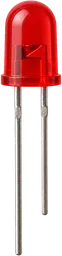 PowerIndicator LED50 mWThe electrical power used by a small light-emitting diode that indicates device status.PowerBluetooth beacon average draw100 µWBluetooth beacon average draw is the average electrical power used by a Bluetooth beacon while intermittently transmitting signals.
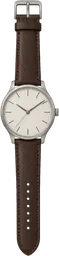 PowerQuartz watch10 µWThe average electrical power consumed by a quartz wristwatch during operation.PowerPacemaker average electrical draw10 µWPacemaker average electrical draw is the typical amount of electrical power consumed by an implanted cardiac pacemaker during operation.PowerDigital wristwatch LCD draw1 µWDigital wristwatch LCD draw is the electrical power required to operate the display of a basic digital wristwatch continuously.
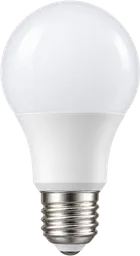 PowerLED bulb9 WThe electrical power drawn by a light-emitting diode lamp used for illumination.PowerSmartphone active electrical draw3 WSmartphone active electrical draw is the electrical power consumed by a smartphone during active use, including display, processing and wireless communication.