
1,000 electronvolts
1.602 × 10⁻¹⁶ JEnergy · definition
The quantity is exact as entered. Comparisons use the clearly stated specimen, model or nominal measurement.

Energy
Molecular
ENERGY STORED OR TRANSFERRED
The quantity is exact as entered.
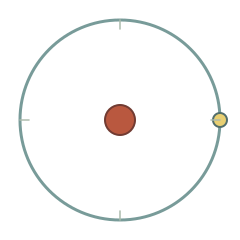
Hydrogen atom ground-state binding energy is the energy needed to remove the electron from a hydrogen atom in its lowest energy state.
A little perspective
1,000 electronvolts is about 73.5 times the ground-state binding energy of a hydrogen atom.
Energy: 1.602 × 10⁻¹⁶ J; definition.
The quantity is exact as entered. Comparisons use the clearly stated specimen, model or nominal measurement.
Ground-state binding energy: 13.61 eV; recommended value.
The magnitude of the hydrogen ground-state binding energy is approximately 13.598 eV, or 2.1799 × 10⁻¹⁸ J. It is the energy required to ionise ground-state hydrogen, not a classical stored-energy shell.
NIST — Atomic spectra database ionization energies
The marked ground-state binding energy is calibrated. Unmeasured illustration details are representative.
Measurement details
Compare 1,000 electronvolts with the ground-state binding energy of a hydrogen atom. The notes below explain how each value was chosen.
Energy · definition
The quantity is exact as entered. Comparisons use the clearly stated specimen, model or nominal measurement.
Ground-state binding energy · recommended value
The magnitude of the hydrogen ground-state binding energy is approximately 13.598 eV, or 2.1799 × 10⁻¹⁸ J. It is the energy required to ionise ground-state hydrogen, not a classical stored-energy shell.
The diagram uses the recorded measurements. Details outside the marked spans do not set the scale.
Energy is an amount; power describes the rate of energy transfer or use.
Change your perspective
Choose a suggestion to redraw the comparison, or open its page to learn what it is.
A little smaller. A little larger.