Tennis ball serve kinetic energy
Tennis ball serve kinetic energy is the amount of energy a tennis ball has due to its motion immediately after being struck during a serve.
Also known as: tennis serve ball energy
How big is it?
120 J of energy
Defined launch kinetic energy · derived calculation
Typical recorded range: 60 J to 180 J.

A little perspective
About the same scale as Golf drive ball kinetic energy.
Golf drive ball kinetic energy: Golf drive ball kinetic energy is the amount of energy a golf ball possesses due to its motion immediately after being struck.
Measurements, assumptions & sources +
Tennis ball serve kinetic energy
A defined 120 J serve model, corresponding to a 57.7 g regulation tennis ball moving at about 64.5 m/s, using E = ½mv². Ball mass and launch speed determine the result.
The marked defined launch kinetic energy is calibrated. Unmeasured illustration details are representative.
Golf drive ball kinetic energy
A defined 130 J drive model, corresponding to a 45.93 g regulation golf ball moving at about 75.2 m/s, using E = ½mv². Ball mass and launch speed determine the result.
USGA and R&A — Equipment rules
The marked defined launch kinetic energy is calibrated. Unmeasured illustration details are representative.
Change your perspective
Put it next to…
Choose a suggestion to redraw the comparison, or open its page to learn what it is.
Why this measurement?
Why we use 120 J
For comparison, this page uses defined launch kinetic energy. The record labels the measurement derived calculation; that status is retained wherever the value is compared. The recorded range is 60 J to 180 J.
A defined 120 J serve model, corresponding to a 57.7 g regulation tennis ball moving at about 64.5 m/s, using E = ½mv². Ball mass and launch speed determine the result.
The identifying illustration and the numerical comparison remain separate. How calibrated comparisons work →
Recorded properties
Tennis ball serve kinetic energy dimensions and measurements
| Property | Selected value | Recorded range | Basis |
|---|---|---|---|
| 120 J | 60 J to 180 J | derived calculation |
Around this scale
Go smaller. Go bigger.
These links use compatible energy records, ordered around the selected value.
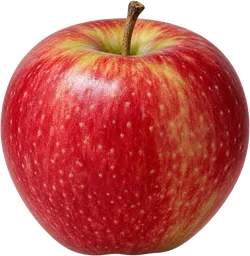 Nearest lower value · EnergyLift an apple one metre1.765 JLifting an apple one metre is the work needed to raise a small object against Earth's gravity over that distance.Nearest higher value · EnergyGolf drive ball kinetic energy130 JGolf drive ball kinetic energy is the amount of energy a golf ball possesses due to its motion immediately after being struck.
Sources and method
Want to check the number?
The source records and measurement method remain available for inspection.
- ITF — Rules of TennisRegulation tennis-ball mass range; kinetic energy is derived from a stated ball mass and launch speed.
There’s always another scale
Follow your curiosity.
EnergyGolf drive ball kinetic energy130 JGolf drive ball kinetic energy is the amount of energy a golf ball possesses due to its motion immediately after being struck.EnergyFood kilocalorie4.184 kJA food kilocalorie is the energy needed to raise the temperature of one kilogram of water by one degree Celsius, used to express food energy.EnergyLift an apple one metre1.765 JLifting an apple one metre is the work needed to raise a small object against Earth's gravity over that distance.EnergyCoin cell stored energy2.43 kJCoin cell stored energy is the total electrical energy that can be delivered by a small, disc-shaped lithium battery before depletion. PowerSingle-mode laser pointer optical output5 mWSingle-mode laser pointer optical output is the continuous visible light power emitted by a standard handheld laser pointer operating in a single spatial mode.
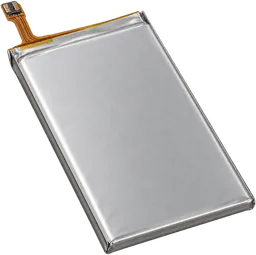 EnergyPhone battery54 kJA phone battery stores electrical energy to power a mobile phone.
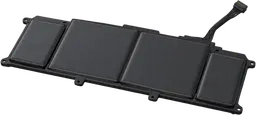 EnergyLaptop battery216 kJA laptop battery supplies electrical energy to a portable computer.
 EnergyHeat one litre of water334.4 kJHeating one litre of water is the energy required to raise the temperature of a standard amount of water to near boiling.