Triton
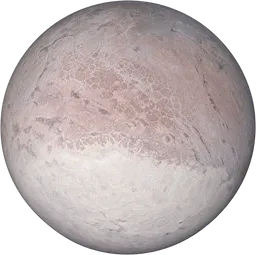
Triton is a natural satellite of Neptune, with a retrograde orbit and a surface of frozen nitrogen.
2,705 kmMean diameterWorlds apart
What are they, and what does the difference actually look like?
Two things. One honest scale.
Meet the pair
Triton is a natural satellite of Neptune, with a retrograde orbit and a surface of frozen nitrogen.
2,705 kmMean diameter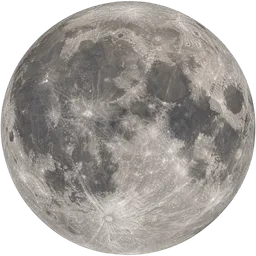
The Moon is Earth’s natural satellite and the brightest large object in Earth’s night sky.
3,475 kmMean diameterMoon has about 1.28 times the mean diameter of Triton.
Rounded mean-radius model of Triton. The derived area and volume describe a sphere; surface terrain and flattening are omitted.
NASA JPL — Planetary satellite physical parameters
The marked mean diameter is calibrated. Unmeasured illustration details are representative.
Rounded mean-radius model of Moon. The derived area and volume describe a sphere; surface terrain and flattening are omitted.
NASA JPL — Planetary satellite physical parameters
The marked mean diameter is calibrated. Unmeasured illustration details are representative.
Change the comparison
Measurement details
The visual compares mean diameter with mean diameter. The records below preserve each value’s basis and caveats.
Mean diameter · approximate
Rounded mean-radius model of Triton. The derived area and volume describe a sphere; surface terrain and flattening are omitted.
Mean diameter · approximate
Rounded mean-radius model of Moon. The derived area and volume describe a sphere; surface terrain and flattening are omitted.
The labelled spans and stored measurements determine the scale; unmeasured illustration details do not.
There’s always another scale
SpaceTriton2,705 kmTriton is a natural satellite of Neptune, with a retrograde orbit and a surface of frozen nitrogen.SpaceMoon3,475 kmThe Moon is Earth’s natural satellite and the brightest large object in Earth’s night sky.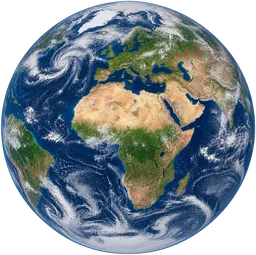 SpaceEarth12,740 kmEarth is the rocky planet on which we live and the third planet from the Sun.
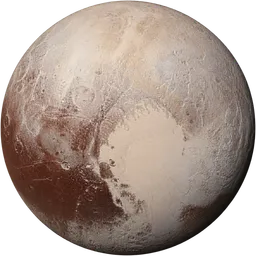 SpacePluto2,377 kmPluto is a dwarf planet in the Kuiper Belt, composed of rock and ice and orbiting the Sun.
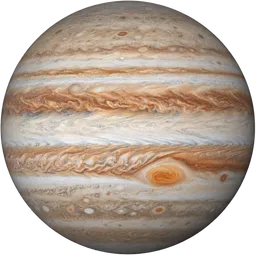 SpaceJupiter139,800 kmJupiter is a giant planet composed mainly of hydrogen and helium, orbiting the Sun beyond the asteroid belt.
Side by side