Planck time
Planck time is the theoretical shortest meaningful interval of time, defined using fundamental physical constants.
5.391 × 10⁻⁴⁴ sTimeEveryday quantities
What are they, and what does the difference actually look like?
Two things. One honest scale.
Meet the pair
Planck time is the theoretical shortest meaningful interval of time, defined using fundamental physical constants.
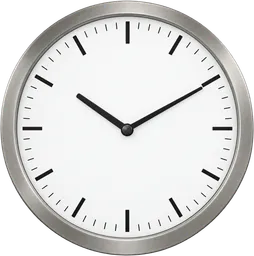
5.391 × 10⁻⁴⁴ sTimeA blink of an eye is the quick closing and opening of the eyelid, usually happening involuntarily.
150 msTimeBlink of an eye lasts about 2.78 × 10⁴² times as long as Planck time.
A theoretical scale, not an experimentally demonstrated smallest time step.
NIST — 2022 CODATA fundamental constants
The marked time is calibrated. Unmeasured illustration details are representative.
A chosen 150 ms interval, not a universal blink duration.
Defined examples — our methodology
The marked time is calibrated. Unmeasured illustration details are representative.
Change the comparison
Measurement details
The visual compares time with time. The records below preserve each value’s basis and caveats.
Time · theoretical
A theoretical scale, not an experimentally demonstrated smallest time step.
Time · reference interval
A chosen 150 ms interval, not a universal blink duration.
The labelled spans and stored measurements determine the scale; unmeasured illustration details do not.
There’s always another scale
TimePlanck time5.391 × 10⁻⁴⁴ sPlanck time is the theoretical shortest meaningful interval of time, defined using fundamental physical constants.TimeBlink of an eye150 msA blink of an eye is the quick closing and opening of the eyelid, usually happening involuntarily.TimeHuman lifetime80 yearsA human lifetime is the span from a person's birth to their death.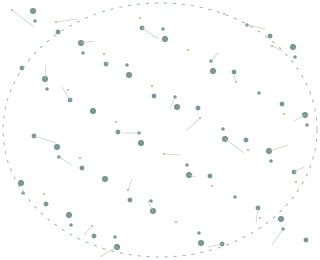 TimeAge of Earth4.54 GyrThe age of Earth is the time that has passed since the planet formed from the solar nebula.TimeAge of the universe13.8 GyrThe age of the universe is the time since the Big Bang, marking the beginning of cosmic expansion.
Side by side