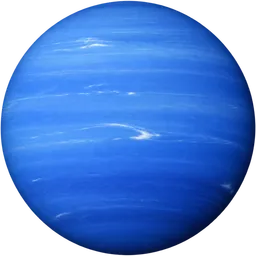
Neptune
Neptune is an ice giant planet with a deep blue atmosphere, orbiting the Sun beyond Uranus.
49,240 kmMean diameterWorlds apart
What are they, and what does the difference actually look like?
Two things. One honest scale.
Meet the pair
Neptune is an ice giant planet with a deep blue atmosphere, orbiting the Sun beyond Uranus.
49,240 kmMean diameter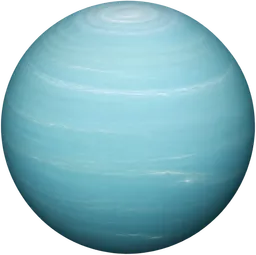
Uranus is an ice giant planet with a blue-green atmosphere, orbiting the Sun on its side.
50,720 kmMean diameterUranus has about 1.03 times the mean diameter of Neptune.
Mean-radius spherical model for Neptune; actual shape is not perfectly spherical. Gravity refers to a conventional atmospheric level, not solid ground.
NASA JPL — planetary physical parameters
The marked mean diameter is calibrated. Unmeasured illustration details are representative.
Mean-radius spherical model for Uranus; actual shape is not perfectly spherical. Gravity refers to a conventional atmospheric level, not solid ground.
NASA JPL — planetary physical parameters
The marked mean diameter is calibrated. Unmeasured illustration details are representative.
Change the comparison
Measurement details
The visual compares mean diameter with mean diameter. The records below preserve each value’s basis and caveats.
Mean diameter · approximate
Mean-radius spherical model for Neptune; actual shape is not perfectly spherical. Gravity refers to a conventional atmospheric level, not solid ground.
Mean diameter · approximate
Mean-radius spherical model for Uranus; actual shape is not perfectly spherical. Gravity refers to a conventional atmospheric level, not solid ground.
The labelled spans and stored measurements determine the scale; unmeasured illustration details do not.
There’s always another scale
SpaceNeptune49,240 kmNeptune is an ice giant planet with a deep blue atmosphere, orbiting the Sun beyond Uranus.SpaceUranus50,720 kmUranus is an ice giant planet with a blue-green atmosphere, orbiting the Sun on its side.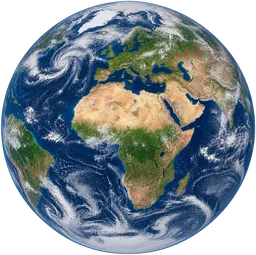 SpaceEarth12,740 kmEarth is the rocky planet on which we live and the third planet from the Sun.
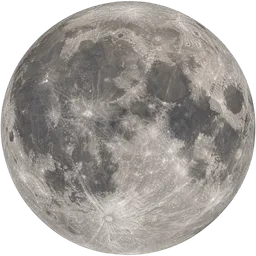 SpaceMoon3,475 kmThe Moon is Earth’s natural satellite and the brightest large object in Earth’s night sky.
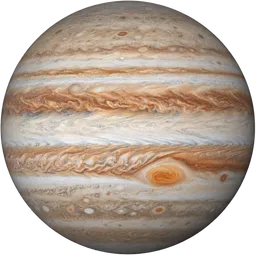 SpaceJupiter139,800 kmJupiter is a giant planet composed mainly of hydrogen and helium, orbiting the Sun beyond the asteroid belt.
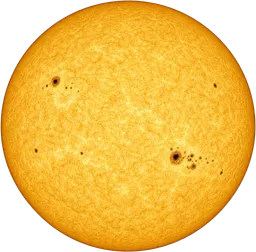 SpaceSun1,391,000 kmThe Sun is the star at the centre of the Solar System.
Side by side