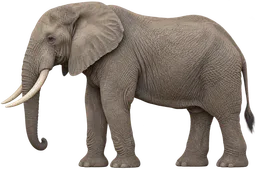
African elephant
An African elephant is a large plant-eating mammal recognised by its trunk, tusks and broad ears.
3.3 mShoulder heightLife in proportion
What are they, and what does the difference actually look like?
Two things. One honest scale.
Meet the pair
An African elephant is a large plant-eating mammal recognised by its trunk, tusks and broad ears.
3.3 mShoulder height
A blue whale is a baleen whale that feeds by filtering small animals from seawater.
25 mNose-to-tail lengthThe nose-to-tail length of Blue whale is about 7.58 times the shoulder height of African elephant.
An adult male African bush elephant (Loxodonta africana). This specimen is 3.3 m at the shoulder and 5,000 kg; neither is a species average. Female elephants are generally smaller.
University of Michigan — African bush elephant
The marked shoulder height is calibrated. Unmeasured illustration details are representative.
A chosen 25 m, 100 tonne adult blue whale (Balaenoptera musculus). Population, sex and age matter: this is a representative comparison specimen, not a record animal.
The marked nose-to-tail length is calibrated. Unmeasured illustration details are representative.
Change the comparison
Measurement details
The visual compares shoulder height with nose-to-tail length. The records below preserve each value’s basis and caveats.
Shoulder height · representative · range 3.2 m–4 m
An adult male African bush elephant (Loxodonta africana). This specimen is 3.3 m at the shoulder and 5,000 kg; neither is a species average. Female elephants are generally smaller.
Nose-to-tail length · representative
A chosen 25 m, 100 tonne adult blue whale (Balaenoptera musculus). Population, sex and age matter: this is a representative comparison specimen, not a record animal.
The labelled spans and stored measurements determine the scale; unmeasured illustration details do not.
There’s always another scale
Living thingsAfrican elephant3.3 mAn African elephant is a large plant-eating mammal recognised by its trunk, tusks and broad ears.Living thingsBlue whale25 mA blue whale is a baleen whale that feeds by filtering small animals from seawater. PeopleHuman1.75 mA human is a primate of the species Homo sapiens, distinguished by habitual upright walking, language and complex tool use.
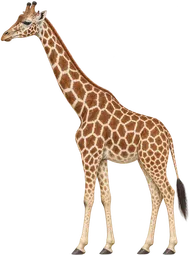 Living thingsGiraffe5 mA giraffe is an African mammal distinguished by its extremely long neck and legs, feeding mainly on tree leaves.
 TransportFamily car4.5 mA family car is a motor vehicle designed to carry several passengers and their belongings.
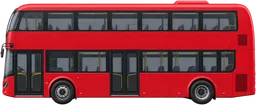 TransportDouble-decker bus11 mA double-decker bus is a passenger vehicle with two levels, used for public transport.
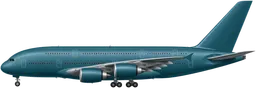 TransportAirbus A38072.7 mThe Airbus A380 is a double-deck, wide-body passenger aeroplane built for long-haul flights.
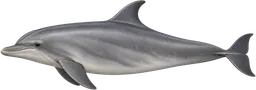 Living thingsBottlenose dolphin2.5 mA bottlenose dolphin is a marine mammal with a streamlined body, prominent dorsal fin and a short beak-like snout.
Side by side