
Grain of sand
A grain of sand is a tiny fragment of rock or mineral, commonly found on beaches and in soil.
How big is it?
500 µm across
Diameter · example
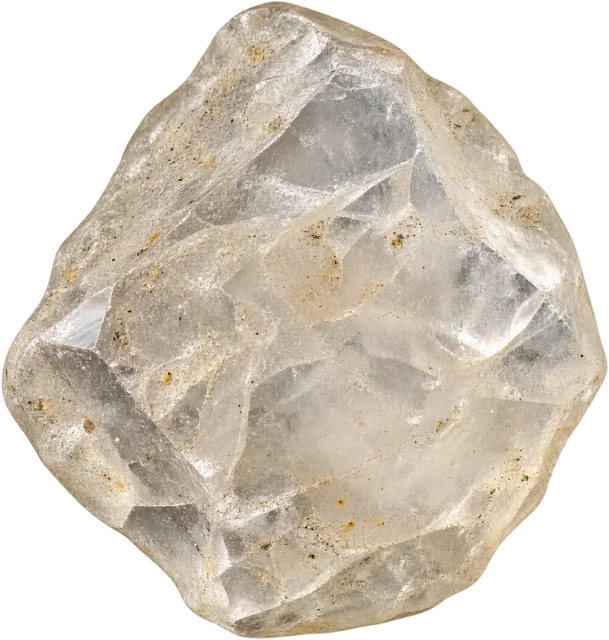
A little perspective
Grain of sand vs Salt crystal: length comparison
The diameter of a grain of sand is about 1.67 times the characteristic size of a salt crystal.
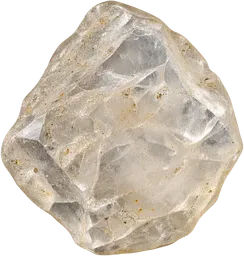
A grain of sand is a tiny fragment of rock or mineral, commonly found on beaches and in soil.
A salt crystal is a small, naturally occurring or manufactured piece of sodium chloride used in food and industry.
Both rulers start at the same zero and share one linear scale. Artwork keeps its original proportions.
Measurements, assumptions & sources +
Grain of sand
Diameter: 500 µm; example.
Separate illustrative measurements: 0.5 mm across; 1 mg mass. Mineral and shape vary.
Defined examples — our methodology
The marked diameter is calibrated. Unmeasured illustration details are representative.
Salt crystal
Characteristic size: 300 µm; representative.
A chosen 0.3 mm table-salt crystal. The irregular illustration is a scale specimen.
University of Utah — Cell size and scale
The marked characteristic size is calibrated. Unmeasured illustration details are representative.
Use the visual comparison to explore its scale, then check the measurements and sources.
Change your perspective
Put it next to…
Choose a suggestion to redraw the comparison, or open its page to learn what it is.
Why this measurement?
Why we use 500 µm
We compare the diameter of a grain of sand. This is an illustrative comparison value, not a claim that every example is the same.
Separate illustrative measurements: 0.5 mm across; 1 mg mass. Mineral and shape vary.
The marked horizontal span follows the measured feature, not the edges of the image. How calibrated comparisons work →
Recorded properties
Dimensions and measurements
| Property | Selected value | Recorded range | Basis |
|---|---|---|---|
| 500 µm | Not recorded | example | |
| 1 mg | Not recorded | example |
Around this scale
Explore nearby values.
Compare examples with lower, similar and higher values. Each card names the measurement being compared.
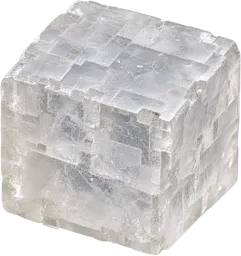 Nearest lower valueMicroscopic objectsSalt crystal300 µmCharacteristic sizeA salt crystal is a small, naturally occurring or manufactured piece of sodium chloride used in food and industry.
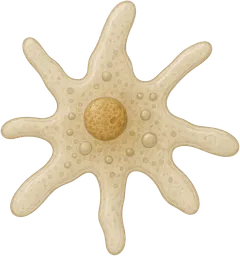 Around the same scaleMicroscopic objectsAmoeba cell300 µmDefined maximum projected spanAn amoeba cell is a single-celled organism that moves and engulfs food by extending temporary projections called pseudopodia.
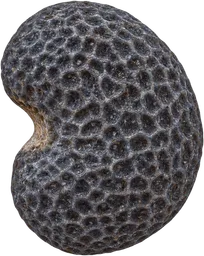 Nearest higher valueLiving thingsPoppy seed1 mmLengthA poppy seed is an edible seed produced by plants in the poppy family and commonly used in breads and other foods.
Sources and method
Want to check the number?
The source records and measurement method remain available for inspection.
More ways to see it
Curated comparisons
There’s always another scale
Follow your curiosity.
MicroscopicSalt crystal300 µmA salt crystal is a small, naturally occurring or manufactured piece of sodium chloride used in food and industry.Living thingsPoppy seed1 mmA poppy seed is an edible seed produced by plants in the poppy family and commonly used in breads and other foods.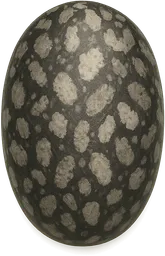 Everyday thingsChia seed2 mmA chia seed is the edible seed of the Salvia hispanica plant, often used in foods such as puddings and cereals.
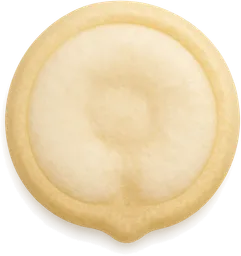 Everyday thingsQuinoa seed2 mmA quinoa seed is the edible seed of the Chenopodium quinoa plant, commonly used as a grain substitute in cooking.
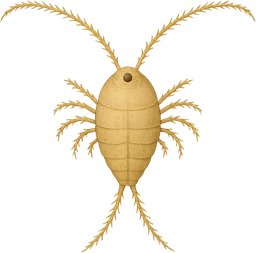 Living thingsCopepod2 mmA copepod is a tiny aquatic crustacean found in marine and freshwater environments, playing a key role in aquatic food webs.
 PeopleHair70 µmA hair is a slender strand of protein that grows from the skin of humans and other mammals.
 Everyday thingsSheet of paper100 µmA sheet of paper is a flat material made from cellulose pulp, used for writing, printing or packaging.MicroscopicAmoeba cell300 µmAn amoeba cell is a single-celled organism that moves and engulfs food by extending temporary projections called pseudopodia.