Honeybee
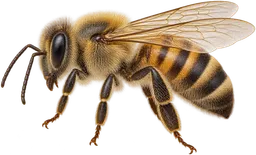
A honeybee is a social insect that lives in a colony and gathers nectar and pollen from flowers.
1.5 cmBody lengthSmall wonders
What are they, and what does the difference actually look like?
Two things. One honest scale.
Meet the pair
A honeybee is a social insect that lives in a colony and gathers nectar and pollen from flowers.
1.5 cmBody length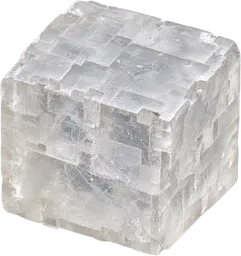
A salt crystal is a small, naturally occurring or manufactured piece of sodium chloride used in food and industry.
300 µmCharacteristic sizeThe body length of Honeybee is about 50 times the characteristic size of Salt crystal.
A 15 mm worker honeybee (Apis mellifera), at the upper end of the cited 10–15 mm worker range. Body length excludes antennae, legs and wings. The 100 mg mass is a separate illustrative assumption.
University of Michigan — Apis mellifera
The marked body length is calibrated. Unmeasured illustration details are representative.
A chosen 0.3 mm table-salt crystal. The irregular illustration is a scale specimen.
University of Utah — Cell size and scale
The marked characteristic size is calibrated. Unmeasured illustration details are representative.
Change the comparison
Measurement details
The visual compares body length with characteristic size. The records below preserve each value’s basis and caveats.
Body length · representative · range 1 cm–1.5 cm
A 15 mm worker honeybee (Apis mellifera), at the upper end of the cited 10–15 mm worker range. Body length excludes antennae, legs and wings. The 100 mg mass is a separate illustrative assumption.
Characteristic size · representative
A chosen 0.3 mm table-salt crystal. The irregular illustration is a scale specimen.
The labelled spans and stored measurements determine the scale; unmeasured illustration details do not.
There’s always another scale
Living thingsHoneybee1.5 cmA honeybee is a social insect that lives in a colony and gathers nectar and pollen from flowers.MicroscopicSalt crystal300 µmA salt crystal is a small, naturally occurring or manufactured piece of sodium chloride used in food and industry.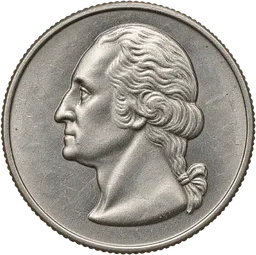 Everyday thingsUS quarter2.426 cmA US quarter is a coin worth twenty-five cents, commonly used in United States currency.
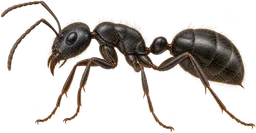 Living thingsSmall ant5 mmAn ant is a social insect that lives in an organised colony, usually with workers, a queen and specialised roles.
 PeopleHuman1.75 mA human is a primate of the species Homo sapiens, distinguished by habitual upright walking, language and complex tool use.
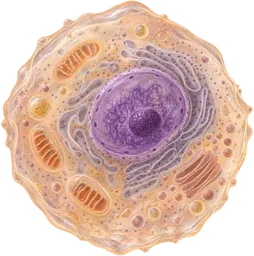 Microscopic10 µm cell10 µmA cell is the basic structural unit of living organisms.
Side by side