
0.05 ml drop
A drop is a very small portion of liquid formed by surface tension.
How big is it?
50 µL · volume
Volume · example
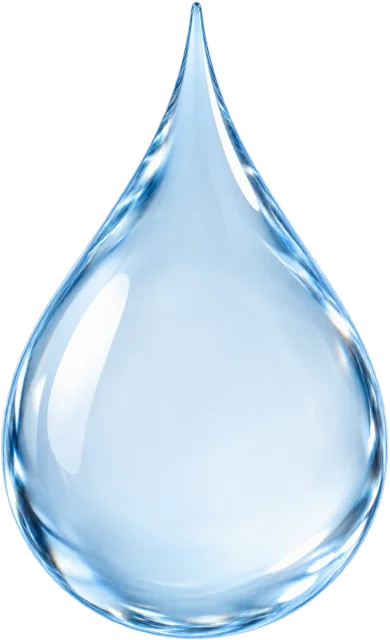
A little perspective
0.05 ml drop vs 5 ml measuring teaspoon: volume comparison
A 5 ml measuring teaspoon has about 100 times the volume of a 0.05 ml drop.
Too small to see at this scale. The ring marks its true-scale position, not its volume. The shape has not been enlarged.
A measuring teaspoon is used to portion small amounts of ingredients in cooking or medicine.
Too small to see at this scale. The ring marks its true-scale position, not its volume. The shape has not been enlarged.
Measurements, assumptions & sources +
0.05 ml drop
Volume: 50 µL; example.
Defined 0.05 ml capacity. Actual containers, servings and fills vary. Outer shape is not used to calculate capacity.
Defined examples — our methodology
The marked volume is calibrated. Unmeasured illustration details are representative.
5 ml measuring teaspoon
Volume: 5 ml; example.
Defined 5 ml capacity. Actual containers, servings and fills vary. Outer shape is not used to calculate capacity.
Defined examples — our methodology
The marked volume is calibrated. Unmeasured illustration details are representative.
Use the visual comparison to explore its scale, then check the measurements and sources.
Change your perspective
Put it next to…
Choose a suggestion to redraw the comparison, or open its page to learn what it is.
Why this measurement?
Why we use 50 µL
We compare the volume of a 0.05 ml drop. This is an illustrative comparison value, not a claim that every example is the same.
Defined 0.05 ml capacity. Actual containers, servings and fills vary. Outer shape is not used to calculate capacity.
The picture identifies the subject; the diagram compares the recorded values. How calibrated comparisons work →
Recorded properties
Dimensions and measurements
| Property | Selected value | Recorded range | Basis |
|---|---|---|---|
| 50 µL | Not recorded | example |
Around this scale
Explore nearby values.
Compare examples with lower, similar and higher values. Each card names the measurement being compared.
 Nearest lower valueFundamental physicsPlanck length4.222 × 10⁻¹⁰² LVolumeThe Planck length is a scale formed from fundamental physical constants.
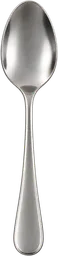 Nearest higher valueContainers and capacity5 ml measuring teaspoon5 mlVolumeA measuring teaspoon is used to portion small amounts of ingredients in cooking or medicine.
Sources and method
Want to check the number?
The source records and measurement method remain available for inspection.
There’s always another scale
Follow your curiosity.
Containers5 ml measuring teaspoon5 mlA measuring teaspoon is used to portion small amounts of ingredients in cooking or medicine.Containers15 ml measuring tablespoon15 mlA measuring tablespoon is used to portion larger amounts of ingredients in recipes.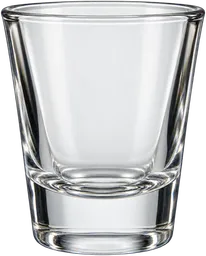 Containers25 ml measure25 mlA measure is commonly used to serve spirits or liqueurs in bars.
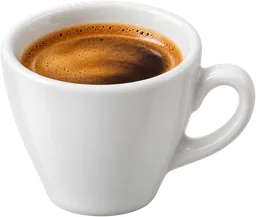 Containers30 ml espresso30 mlAn espresso is a concentrated coffee made by forcing hot water through finely-ground coffee beans.
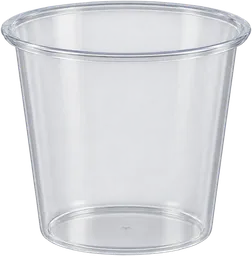 Containers30 ml measuring cup30 mlA measuring cup is used to dispense precise amounts of liquid medicines.
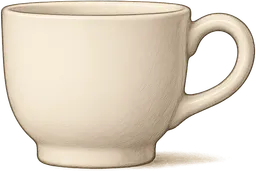 ContainersEspresso demitasse60 mlAn espresso demitasse is a small porcelain cup used for serving concentrated espresso coffee.
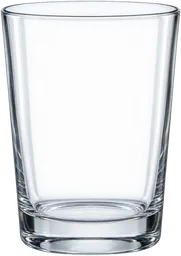 Containers150 ml glass150 mlA 150 ml glass is a drinking vessel commonly used for serving small portions of beverages such as water, juice or wine.
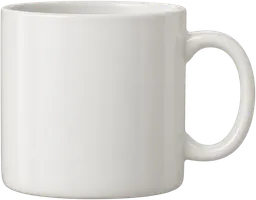 Containers250 ml measuring cup250 mlA measuring cup is used to portion liquids or powders in cooking and baking.